Best for
Readers who enjoy turn-based conquest, historical scenarios, and optimizing moves over several rounds.
Curated brain-training & logic apps for Android

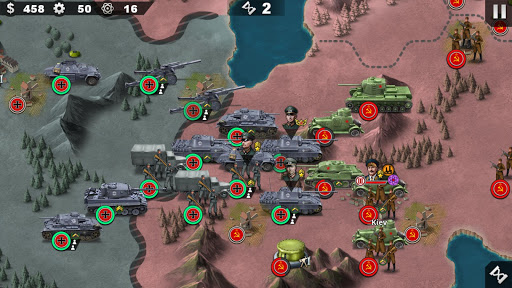
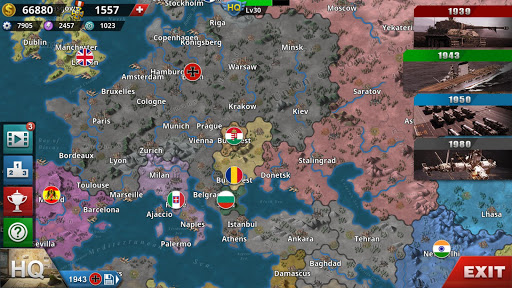
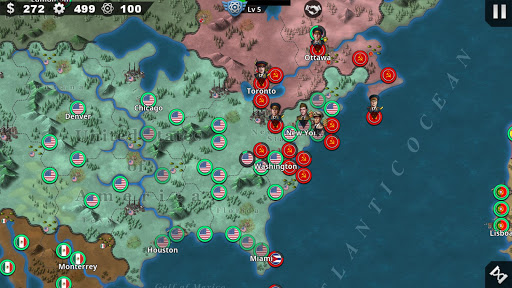
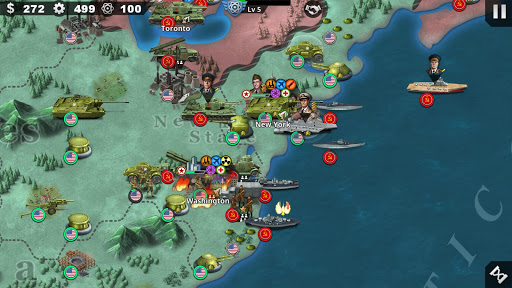
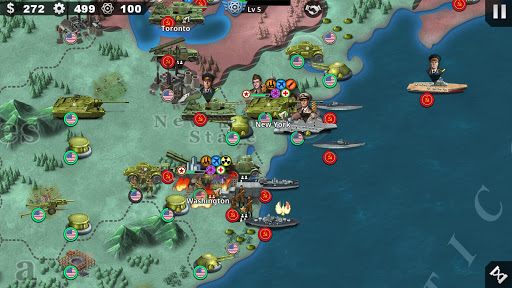
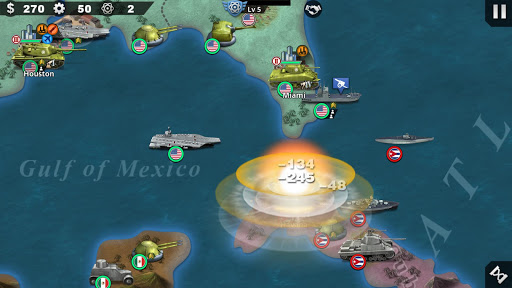
App icon and screenshots © EasyTech Games or the applicable rights holders. Displayed in limited form for identification and independent review. Source: official Google Play listing.
World Conqueror 4 is a better fit for deliberate strategy players who want campaign structure, map reading, and longer planning sessions.
Readers who enjoy turn-based conquest, historical scenarios, and optimizing moves over several rounds.
Casual players looking for a five-minute puzzle break or anyone avoiding war-themed content.
It gives the Strategy shelf a slower, map-first option instead of another quick tower-defense or upgrade battler.
Check store details for scenario access, purchase model, and recent balance complaints.
World Conqueror 4 belongs in the reviewed set because it asks for a different attention span. This is not a quick tile clear or a lane-defense stage. The value is campaign planning, territory reading, unit positioning, and thinking across several turns. Readers who want deeper strategy on Android need at least one map-first option to compare against shorter tactical games.
The World War II framing is not a neutral detail. Some readers actively enjoy historical scenarios and military strategy; others do not want war-themed play in a brain-training routine. A good review should make that filter explicit. The mechanics may be interesting, but the theme determines whether many readers should even continue considering the app.
A strategy map gives more room for planning, but it can also create phone-screen friction. Text size, menu density, campaign access, and paid content matter more here than in a simple puzzle. Recent reviews should be checked for whether the game remains understandable on modern devices and whether progression feels fair without buying into commanders or scenario advantages too early.
Compared with Stick War, this is slower and less reactive. Compared with Kingdom Rush, it is broader and more campaign-driven. Compared with Grow Empire, it asks for more map reading and less simple upgrade watching. LogicAppGuide should recommend World Conqueror 4 to deliberate strategy readers, not casual puzzle browsers. It is a considered install, not a quick entertainment default.
The app's biggest practical risk is not whether strategy exists; it is whether the phone interface lets that strategy breathe. Campaign maps, unit details, commanders, and scenario text can become tiring if the layout is dense. Readers should inspect screenshots for readability before installing and check reviews for device-specific complaints. A rich strategy game that feels cramped on the device in your hand will not become more thoughtful after an hour. Comfort is part of depth here.
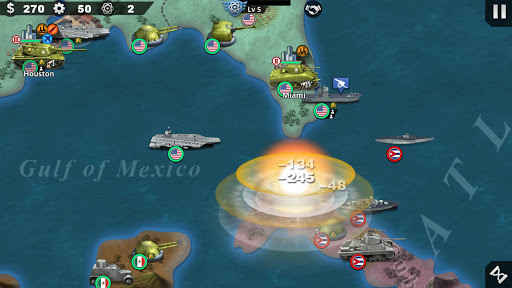
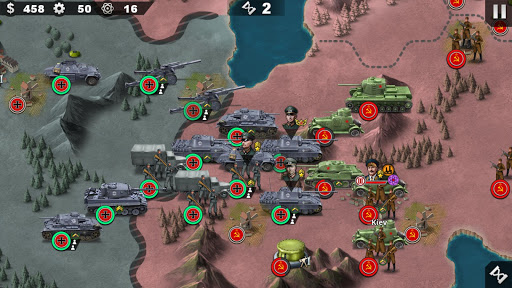
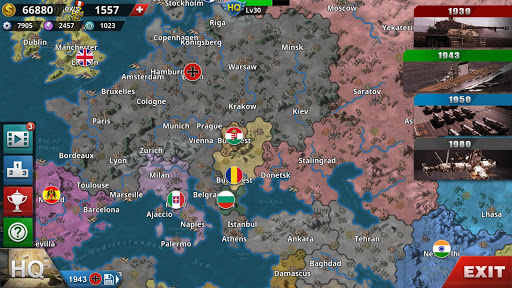
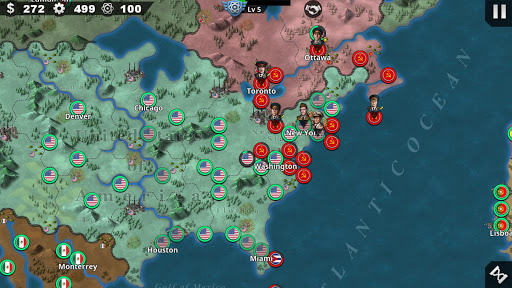
World Conqueror 4-WW2 Strategy exposes Google Play screenshots in the public listing data. The review uses those images to judge readability, interface density, and whether the advertised experience is clear before a reader leaves for the store.
The public record used here is last updated 2026-01-29, with version 1.24.2. This context frames the review, but it does not replace the page's install cautions or comparison notes.
World Conqueror 4-WW2 Strategy is compared against nearby LogicAppGuide picks in Strategy, so the recommendation answers a reader-fit question instead of repeating a store ranking.
For Strategy readers, the review focuses on whether the app's main loop is distinct, readable on a phone, and still worth checking after ads, hints, or purchases are considered.
This listing matters because it asks a different kind of attention from most mobile strategy games. Instead of fast lane defense, the reader is evaluating territory, units, and campaign goals over a longer arc.
That depth is the upside and the filter. If you want calm but involved planning, it may be worth the time. If you want a lightweight brain-training app, it is probably too heavy for the role.
Because the theme is specific, we would not recommend installing blindly. Confirm that the scenario structure, tone, and monetization match what you expect before starting a campaign.
Review basis: Google Play listing metadata, screenshots, public rating signals, store feature claims, and LogicAppGuide category comparison.
World Conqueror 4-WW2 Strategy is the most deliberate strategy pick in this set. The listing describes World War II scenarios, commanders, territory, units, and campaign-style planning. That immediately separates it from quick tower defense, casual upgrade defense, and action strategy. This is a game for readers who want to look at a map, consider positions, and think across turns rather than simply react to the next wave.
The strongest reason to include World Conqueror 4 is that it represents a real mobile strategy appetite: slower, map-first play. Many Android strategy games use the word "strategy" while focusing mostly on timers, base growth, or resource collection. World Conqueror 4 is closer to a campaign board, where the player needs to interpret terrain, force placement, objectives, and longer-term consequences. That gives it a different kind of value for readers who want more than a five-minute puzzle.
The World War II framing matters. It is not just visual decoration. Some players actively seek historical war scenarios and enjoy the commander fantasy. Others do not want war-themed content in a casual app at all. A responsible review should make that filter explicit. Even with an Everyone 10+ rating in the project data, the subject matter is still military conflict. Families and younger players should consider tone, not only the rating label.
The app's public rating base is smaller than the giant casual titles in the directory but still substantial, and the data shows a recent update. That combination is encouraging because strategy games with dense systems need maintenance. However, the app includes in-app purchases, and campaign strategy often has sensitive balance points. Readers should check current reviews for whether progress depends too heavily on commanders, paid advantages, or grinding. In a map strategy game, fairness is not just a comfort issue; it affects whether planning feels meaningful.
The biggest practical challenge is phone usability. Campaign maps, unit stats, commander information, mission text, and menus can become tiring on a small screen. A game can be strategically rich and still be a poor fit for someone whose device makes the interface cramped. Before installing, readers should examine screenshots for text size, map clarity, and whether units are easy to distinguish. This matters more here than in a simple puzzle app because the player may spend longer sessions reading and planning.
World Conqueror 4 is best for readers who like deliberate campaigns. If you enjoy studying a board, trying a different route after failure, and optimizing decisions over several turns, the app has a clear appeal. It is weaker for players who want instant feedback, short breaks, or peaceful logic. It is also not the best first strategy app for someone who dislikes menus or military themes.
Compared with Stick War: Legacy, World Conqueror 4 is slower and less reactive. Compared with Kingdom Rush, it is broader and more map-oriented. Compared with Grow Empire: Rome, it appears less like an incremental defense loop and more like a scenario-planning game. That makes it the Strategy shelf's deliberate option. It should not be recommended to everyone, but it should be easy for the right reader to recognize.
The recommendation depends on whether the current version rewards planning over purchases. A good campaign loss should make the player reconsider unit placement, movement timing, objective order, or commander use. A weak one makes the player feel underpowered unless they buy or grind. Because that distinction is hard to see from listing text alone, recent player comments are essential. Look especially for reviews discussing late-game balance, paid commanders, mission difficulty, and whether free players can progress through skill and patience.
World Conqueror 4 earns its place because mobile strategy needs at least one slower, campaign-based reference. It is not a casual brain teaser. It is not a background idle game. It is a considered install for people who want war-game structure on Android. If the theme, screen density, and monetization model fit your expectations, it can provide a deeper planning experience than most quick strategy apps. If any of those parts feel wrong, a cleaner tower-defense or chess app will be a better use of your time.
The app may be most rewarding for readers who enjoy learning a system over several sessions. Campaign strategy rarely reveals itself in one quick round. Unit roles, commander value, objective order, and map pressure become clearer with repetition. That learning curve is part of the appeal for the right player and part of the friction for everyone else. The recommendation should respect both reactions.
World Conqueror 4 is a deliberate install, not a quick casual pick. The review value comes from separating strategic depth from small-screen friction. A campaign map can offer meaningful planning, but only if the player can read units, objectives, terrain, and menus without fighting the interface. I would treat screenshots as a usability test: if the command layer already looks dense, the reader should be cautious.
The war theme is also a real audience filter. Some strategy readers want historical campaigns and military planning; others do not want that tone in a brain-training routine. Recent reviews should be checked for scenario access, purchase pressure, and whether the Android version remains comfortable on modern devices. The app is strongest for patient map readers who want longer sessions and weaker for people seeking a quiet five-minute puzzle.