Best for
Players who like map-based strategy, upgrade tradeoffs, and replaying stages to improve a plan.
Curated brain-training & logic apps for Android
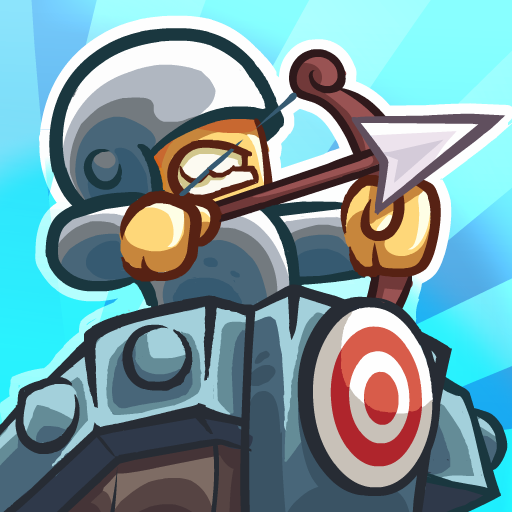
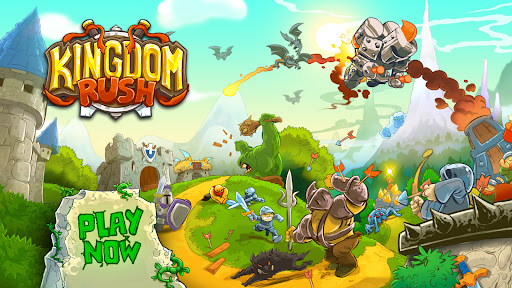

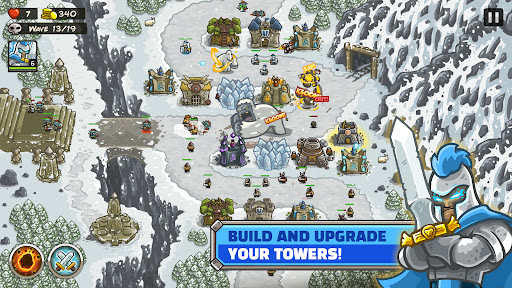

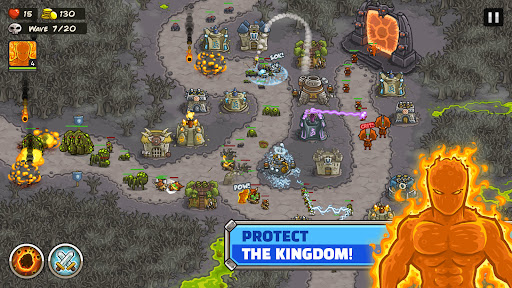
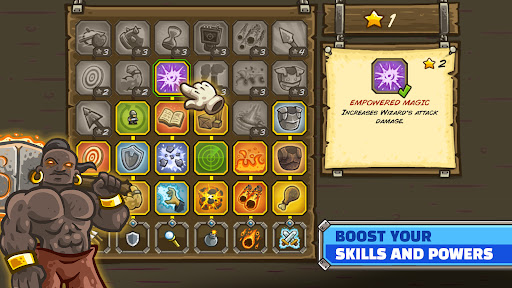

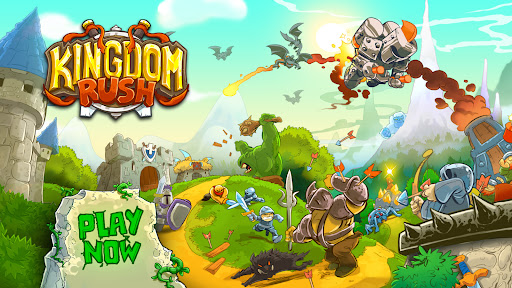
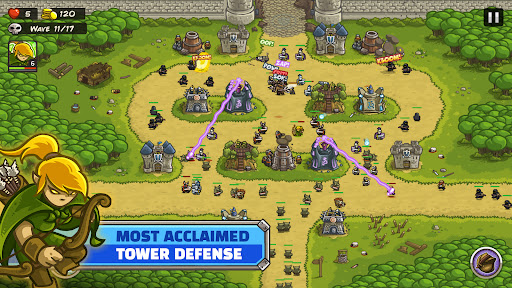
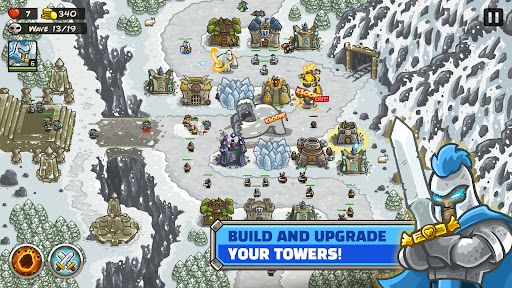
App icon and screenshots © Ironhide Games or the applicable rights holders. Displayed in limited form for identification and independent review. Source: official Google Play listing.
Kingdom Rush is one of the clearest tower-defense references on Android: readable lanes, meaningful tower choices, and difficulty that usually comes from planning rather than confusion.
Players who like map-based strategy, upgrade tradeoffs, and replaying stages to improve a plan.
Users who only want very short sessions or dislike retrying levels after a poor setup.
It gives the Strategy category a high-signal tower-defense anchor that readers can use when comparing newer TD apps.
Confirm current pricing, hero availability, and whether optional purchases affect the version you want to play.
Kingdom Rush remains a useful tower-defense reference because the strategic problem is readable. Paths are clear, enemy waves make sense, and tower choices are easy to connect to outcomes. The player can see where a plan failed: weak choke point, wrong upgrade timing, poor use of reinforcements, or a spell spent too early. That visible feedback is the reason the app still belongs in a strategy review set.
Good tower defense is not only about reacting. Each stage asks the player to make an argument about the map: where enemies should be slowed, where damage should concentrate, when to save resources, and which threats deserve emergency tools. Kingdom Rush is strong when those questions feel fair. A failed run should make the next attempt smarter rather than merely tell the player to grind.
The public listing shows an older visible update than many other reviewed titles. That does not erase the app's quality, but it makes current store details important. Hero access, optional purchases, version differences, and balance can change the practical recommendation. Readers should confirm what is free, what is paid, and whether the Android version they are opening matches the tower-defense experience they expect.
This is a strong fit for readers who enjoy retrying stages and improving plans. It is weaker for someone who wants a tiny one-minute break or dislikes failing a level before understanding it. Compared with Stick War, it is less frantic. Compared with World Conqueror 4, it is far more compact. LogicAppGuide should position Kingdom Rush as the strategy shelf's clean map-planning anchor, not as a universal casual game.
A reader can judge Kingdom Rush quickly by asking whether tower choices feel meaningful. Do barracks, ranged towers, magic, and artillery solve different problems, or does the app push one obvious upgrade path? Are special abilities tactical saves or simple spectacle? When tower roles stay distinct, each map becomes a planning puzzle. When they blur, the game becomes decoration over waves. This is the detail that makes Kingdom Rush a strong reference point for the rest of the tower-defense shelf.
Kingdom Rush Tower Defense TD exposes Google Play screenshots in the public listing data. The review uses those images to judge readability, interface density, and whether the advertised experience is clear before a reader leaves for the store.
The public record used here is last updated 2025-10-15, with version 6.4.18. This context frames the review, but it does not replace the page's install cautions or comparison notes.
Kingdom Rush Tower Defense TD is compared against nearby LogicAppGuide picks in Strategy, so the recommendation answers a reader-fit question instead of repeating a store ranking.
For Strategy readers, the review focuses on whether the app's main loop is distinct, readable on a phone, and still worth checking after ads, hints, or purchases are considered.
A good tower-defense app lives or dies on readability. Kingdom Rush is worth listing because the strategic question is usually visible: where to slow enemies, where to spend upgrades, and when to use special abilities.
For readers, the value is that the app teaches a repeatable way to think about path control and resource timing. That makes it a stronger fit for LogicAppGuide than strategy games built mostly around timers and menus.
The store page should still be checked carefully because paid content, heroes, and platform-specific versions can change the practical recommendation.
Review basis: Google Play listing metadata, screenshots, public rating signals, store feature claims, and LogicAppGuide category comparison.
Kingdom Rush Tower Defense TD is one of the clearest Android examples of tower defense because its strategic questions are easy to see. The listing describes forests, mountains, wastelands, tower upgrades, enemy types, reinforcements, spells, and fantasy battles. That may sound familiar, but tower defense depends less on novelty than on readability. A good stage lets the player understand the lane, identify the threat, build a plan, and see why that plan failed or succeeded.
The reason Kingdom Rush remains useful as a recommendation is that tower roles matter. Barracks, ranged towers, magic, artillery, reinforcements, and hero-style tools should solve different problems. If an enemy has armor, speed, swarm behavior, or range, the player should feel pushed toward a specific defensive answer. When those roles are clear, each stage becomes a small planning argument: where should enemies be slowed, where should damage concentrate, and when should emergency abilities be saved?
This is a better fit for deliberate players than for people who want a one-minute tap game. Kingdom Rush can be compact, but it expects retrying. A failed stage should not feel like wasted time; it should reveal a weak choke point, a poor tower mix, or a spell used too early. Readers who enjoy improving a plan will likely understand the appeal. Readers who hate failure or want constant forward motion may prefer simpler puzzle apps.
The listing data shows a strong rating base and more than ten million installs, but the visible update date in the project data is older than several other strategy picks. That does not mean the app is stale or low quality. It does mean readers should verify the current store details before making assumptions. Tower-defense games often have version differences, hero availability, optional purchases, and balance changes that affect the practical experience. The app includes in-app purchases, so it is worth checking whether paid heroes or extras are optional flavor or meaningful power.
The strongest quality signal for Kingdom Rush is not install volume; it is whether losses feel explainable. A fair tower-defense game makes the player think, "I needed more area damage there," or "I placed barracks too far from the choke point." A weaker one makes the player think, "I need to buy something," or "the wave was unfairly tuned." Recent reviews can help reveal which feeling dominates in the current Android version.
Compared with Stick War: Legacy, Kingdom Rush is less frantic. You prepare the battlefield and respond to waves rather than managing an economy and army in real time. Compared with Grow Empire: Rome, it should feel less like long-term stat accumulation and more like stage-by-stage planning. Compared with World Conqueror 4, it is more approachable and far less campaign-dense. That makes it the Strategy shelf's clean map-planning option.
The app is also more theme-heavy than abstract strategy. Fantasy enemies, spells, heroes, and battle effects are part of the experience. Some readers will enjoy that personality. Others may prefer the neutrality of chess or the cleaner abstraction of puzzles. This is why screenshots matter: the map layout, tower icons, and enemy readability need to look comfortable before installation. A tower-defense game can be highly rated and still feel visually busy to a particular player.
Kingdom Rush is not ideal for someone who wants a passive idle game, a peaceful routine, or a strategy app with no retries. It is also not the most advanced grand-strategy title. Its value is tactical clarity at a phone-friendly scale. The best sessions are short enough to retry and deep enough that the next attempt improves.
Before installing, readers should check current reviews for hero access, paid content, ad placement, and difficulty spikes. They should also ask whether they enjoy learning through failure. If the answer is yes, Kingdom Rush is one of the safer tower-defense recommendations: polished, readable, and still useful as a benchmark for judging newer TD apps. It earns its place not because it is the newest strategy game, but because the core tower-defense loop is easy to understand and hard to fake.
The app also works well as a teaching example for tower defense itself. Newer TD games often add more currencies, heroes, and events, but the heart of the genre is still path control and resource timing. Kingdom Rush is valuable when it keeps those fundamentals visible. Readers who enjoy it will have a better vocabulary for judging whether another tower-defense app is genuinely strategic or only visually busy.
Kingdom Rush earns attention because tower roles are easy to read. A good manual review should notice whether a player can look at a lane and understand why barracks, artillery, magic, or ranged damage belongs there. That readability is what separates fair tower defense from trial-and-error clutter. The app does not need to be new to be useful; it needs to make planning legible on a phone screen.
Before installing, readers should verify current pricing, hero access, and whether optional purchases affect the version they expect to play. If the store page and recent reviews still describe fair stages, distinct tower roles, and readable enemies, Kingdom Rush remains one of the cleanest strategy anchors in this review set. If comments point to paywalled favorites or confusing version differences, the recommendation should become more cautious.