Best for
Readers who like image-based quizzes and want something lighter than general knowledge rounds.
Curated brain-training & logic apps for Android

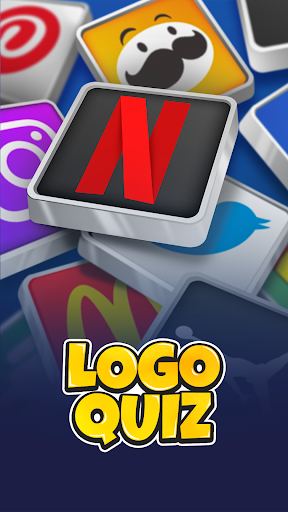
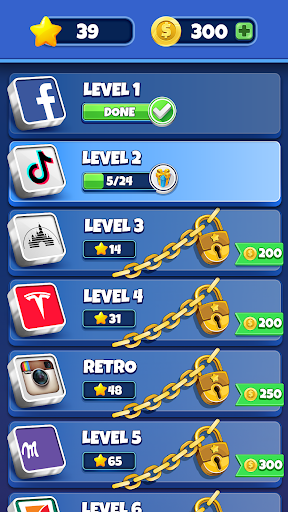
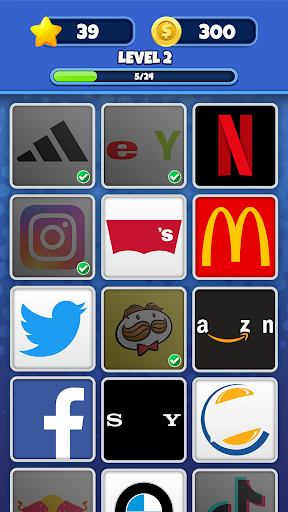
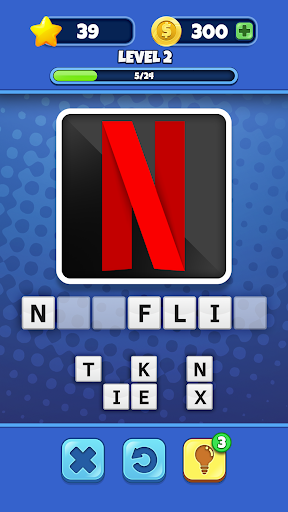
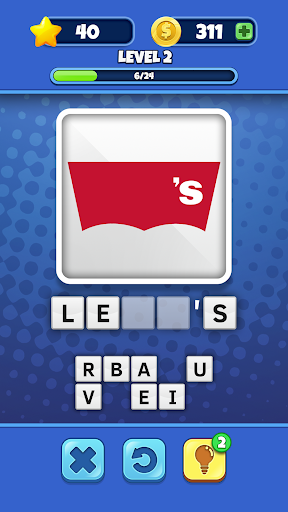

App icon and screenshots © PrizePool Studios or the applicable rights holders. Displayed in limited form for identification and independent review. Source: official Google Play listing.
Logo Quiz is a narrow but useful trivia pick for visual memory, brand recognition, and short guessing sessions.
Readers who like image-based quizzes and want something lighter than general knowledge rounds.
Players who want history, science, geography, or text-heavy explanations.
It adds a visual-recognition trivia format to the category instead of another broad quiz app.
Check whether hints, region coverage, and ad frequency match how often you expect to play.
Logo Quiz - World Trivia Game is useful because it is narrow. The app is not trying to test history, science, or vocabulary. It tests whether a reader can recognize brands from partial visual cues. That makes the recommendation easy to understand and easy to decline. If brand recognition sounds fun, this app has a clear purpose. If it sounds shallow, a broader trivia app will fit better.
Logo knowledge is regional and cultural. A logo that feels obvious to one reader may be meaningless to another. That is why the app's database matters more than broad public feedback. Readers should check whether recent reviews mention outdated logos, region mismatch, or hints that become necessary because the brand set is unfamiliar rather than challenging.
The app is best for quick guessing sessions. It can work well when the player wants something lighter than text-heavy trivia and more immediate than clue solving. The mental action is fast recognition: color, shape, typography, memory. That is a legitimate casual puzzle loop, but it should not be dressed up as deep education.
Before installing, readers should inspect screenshots for answer entry, hint presentation, and ad placement. They should also decide whether they are comfortable with a Teen-rated trivia app in their context. LogicAppGuide should position Logo Quiz as the visual-recognition branch of Trivia, not as a substitute for general knowledge practice.
Logo quizzes can become frustrating when the player recognizes the image but cannot spell the brand exactly, or when the app leans too hard on partial reveals and paid hints. That is not a small detail; it determines whether the app tests memory or monetizes uncertainty. Readers should check recent reviews for hint fairness and answer flexibility. A good logo game should make the player feel clever for recognizing visual cues, not trapped by formatting rules.
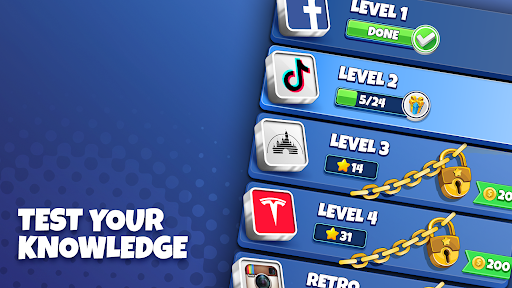
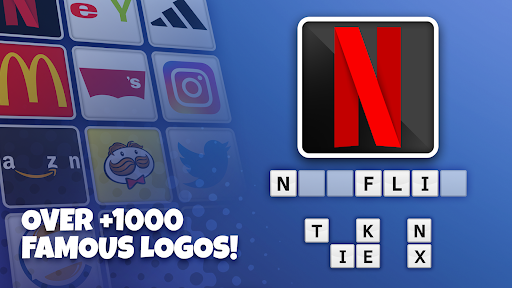
Logo Quiz - World Trivia Game exposes Google Play screenshots in the public listing data. The review uses those images to judge readability, interface density, and whether the advertised experience is clear before a reader leaves for the store.
The public record used here is last updated 2025-10-19, with version 2.0.4. This context frames the review, but it does not replace the page's install cautions or comparison notes.
Logo Quiz - World Trivia Game is compared against nearby LogicAppGuide picks in Trivia, so the recommendation answers a reader-fit question instead of repeating a store ranking.
For Trivia readers, the review focuses on whether the app's main loop is distinct, readable on a phone, and still worth checking after ads, hints, or purchases are considered.
This app is not trying to be a complete knowledge trainer. Its value is quick recognition: see a partial logo, retrieve the name, move on.
That narrowness is exactly why it is useful in a curated set. Readers can quickly decide whether they want visual trivia or broader question rounds.
The risk is repetition and regional mismatch. If the logo set does not match your exposure, the game becomes guessing rather than memory.
Review basis: Google Play listing metadata, screenshots, public rating signals, store feature claims, and LogicAppGuide category comparison.
Logo Quiz - World Trivia Game is useful because it is narrow. It does not pretend to test history, science, literature, or broad general knowledge. It tests visual memory and brand recognition. The listing describes thousands of logos and levels, which gives the app a clear promise: look at partial or stylized brand cues, recall the name, and move through short guessing sessions.
That narrowness is the reason the app belongs in the Trivia category. Not every trivia app needs to be broad. A visual quiz can be enjoyable when the player likes recognizing shapes, colors, typography, and cultural symbols. It is lighter than a text-heavy general knowledge app and often faster to sample. A reader can usually tell within a few minutes whether this kind of recognition game is satisfying.
The main fairness issue is coverage. Logo knowledge is regional, generational, and interest-based. A brand that feels obvious to one player may be completely unfamiliar to another. The app can be well-made and still feel unfair if its logo database does not match the reader's exposure. That is why recent reviews should be checked for region mismatch, outdated logos, and whether hints become necessary because the brand set is unfamiliar rather than challenging.
The listing's Teen content rating is worth noting. A logo quiz is not inherently mature, but readers choosing apps for children or shared family devices should still check the store details. Brand recognition games can include companies from many industries, and the rating may reflect content scope, ads, or other platform factors. The safe approach is to check the current listing rather than assuming every logo game is automatically child-focused.
The app includes in-app purchases, so hints and answer flexibility matter. Logo games can frustrate players when they recognize a brand but cannot enter the exact expected spelling, punctuation, or regional name. A fair app should handle common variations gracefully or at least make hint use feel reasonable. If the game turns recognition into formatting frustration, the core fun weakens.
Logo Quiz is best for readers who want light visual trivia. It may work well during short breaks, with friends, or as a casual memory challenge. It is weaker for readers who want explanations, educational depth, or a quiz that teaches facts beyond recognition. The app can spark curiosity about brands and design, but it should not be sold as serious learning.
Compared with QuizzLand, Logo Quiz is narrower and more visual. Compared with General Knowledge Quiz, it is less academic and more pop-culture-adjacent. Compared with Trivia 360, it has a more specific identity. That makes it a useful comparison pick: if a reader wants visual guessing rather than mixed questions, this is the relevant branch of the Trivia shelf.
The visual design matters more than usual. Screenshots should show whether logos are cropped fairly, whether answer entry is clear, whether hint buttons are easy to understand, and whether ads crowd the screen. Because recognition happens quickly, any interface friction becomes obvious. A logo quiz should feel snappy. If the player spends more time closing prompts than thinking about the image, the app misses its best use case.
The app's narrower topic also makes it better for social play than serious study. Logo guessing can be fun with another person because recognition often triggers conversation: where you saw the brand, why a symbol looked familiar, or how design changes over time. That casual discussion is part of the appeal. It should not be mistaken for academic trivia, but it can make short sessions more memorable than a plain multiple-choice round.
Before installing, readers should check recent reviews for hint fairness, regional coverage, repeated logos, ad placement, and answer-entry complaints. If the current version respects recognition and keeps the flow quick, Logo Quiz is a fun visual-memory trivia pick. If reviews mention outdated logos or aggressive hints, the game becomes less about memory and more about monetized uncertainty. Its recommendation should stay conditional and specific.
The game is also more dependent on freshness than it first appears. Logos change, brands disappear, and new brands become culturally visible. A logo database that felt current years ago can slowly become uneven. Readers should look for signs that the app updates its brand set and removes confusing outdated references. Visual trivia feels fair when the recognition pool reflects what players actually see.
Logo Quiz should be reviewed as visual recognition. The reader is not learning broad history or science; they are testing memory for brands, symbols, and partial images. That can be a pleasant trivia branch, but only if logos are clear, answer entry is forgiving, and hints do not become mandatory for regional brands the reader has never seen.
Before installing, readers should check screenshots for image clarity and recent comments about spelling tolerance. This app fits people who enjoy quick visual recall and brand recognition. It is less useful for anyone who wants general trivia, educational explanations, or a category mix beyond logos.