Best for
Players who prefer slower visual scanning, senior-friendly presentation, or tabletop-adjacent matching without competitive pressure.
Curated brain-training & logic apps for Android


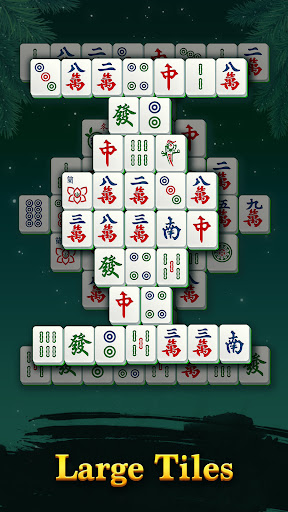


App icon and screenshots © Vita Studio. or the applicable rights holders. Displayed in limited form for identification and independent review. Source: official Google Play listing.
Vita Mahjong is a strong board-style pick for readers who want large, readable tiles and a calmer matching routine.
Players who prefer slower visual scanning, senior-friendly presentation, or tabletop-adjacent matching without competitive pressure.
Traditional mahjong players expecting full four-player rules, scoring systems, and table play.
It gives the Board category an accessibility-minded tile option with a clear audience.
Confirm whether tile size, ad placement, and daily challenge design fit your device and patience level.
Vita Mahjong should not be reviewed as traditional table mahjong. The useful framing is solitaire-style tile matching with a board-game surface. That matters because readers arrive with different expectations. Someone looking for four-player rules, scoring systems, and table strategy should skip it. Someone looking for large tiles and calm matching may find exactly the right fit.
The app's senior-friendly positioning is a real value proposition. Large tile faces, readable layouts, and a slower pace can decide whether a game is usable for the person holding the phone. Vita Studio appears across several comfort-oriented titles, so the editorial point is not simply that the app is popular. The point is that it solves a common problem in casual mobile games: screens that are too busy for relaxed repeated play.
A tile routine depends on flow. If ads appear at rough moments, if daily challenges push too hard, or if later boards become cluttered, the accessibility promise weakens. Public feedback is useful, but readers should still inspect current comments. Older adults and casual players are less likely to tolerate interfaces that fight them, even if the underlying matching idea is familiar.
Compare Vita Mahjong with Dominoes if you want to choose between quiet solo recognition and a more interactive classic table game. Compare it with Word Search Explorer if the real question is visual scanning rather than board-game rules. LogicAppGuide should keep Vita Mahjong as the Board category's comfort pick: not deep, not traditional mahjong, but potentially very useful for readers who want calm, readable play.
Many apps claim to be relaxing, but Vita Mahjong's value depends on whether comfort is visible before install. Tile size, contrast, menu simplicity, and the absence of rushed timers should be obvious in screenshots and confirmed by reviews. If those details hold, the app offers something more specific than generic tile matching. If they do not, the senior-friendly label becomes marketing. LogicAppGuide should keep the review grounded in observable accessibility rather than broad praise.
Vita Mahjong exposes Google Play screenshots in the public listing data. The review uses those images to judge readability, interface density, and whether the advertised experience is clear before a reader leaves for the store.
The public record used here is last updated 2026-02-27, with version 3.11.1. This context frames the review, but it does not replace the page's install cautions or comparison notes.
Vita Mahjong is compared against nearby LogicAppGuide picks in Board, so the recommendation answers a reader-fit question instead of repeating a store ranking.
For Board readers, the review focuses on whether the app's main loop is distinct, readable on a phone, and still worth checking after ads, hints, or purchases are considered.
Vita Mahjong should be judged as solitaire-style tile matching, not as a full mahjong rules app. Its value is readability and routine: can you identify pairs comfortably and clear boards without fighting the interface?
That makes it useful for readers comparing calm board apps. A polished board layout can matter more here than novelty, because the core action repeats many times.
The best pre-install check is screenshots on a phone-sized screen. If the tile faces look clear to you there, the app has a much better chance of fitting daily use.
Review basis: Google Play listing metadata, screenshots, public rating signals, store feature claims, and LogicAppGuide category comparison.
Vita Mahjong should be reviewed with the right expectation from the first line: this is not traditional four-player mahjong. The listing describes a classic tile-matching, mahjong-solitaire-style puzzle with large tiles, a user-friendly interface, offline play, and a clear focus on older adults. That distinction matters because a reader looking for full mahjong rules, scoring, table play, and opponent strategy will be disappointed. A reader looking for calm pair matching with readable tiles may find exactly the right app.
The main value proposition is accessibility. Many casual mobile games call themselves relaxing, but they still use small icons, busy menus, bright effects, or crowded boards that make long sessions uncomfortable. Vita Mahjong's senior-friendly positioning is meaningful because tile size, contrast, and simple navigation can decide whether a game is usable. This is not a cosmetic detail. It changes the audience the app can serve.
The large public footprint is impressive, but the better editorial question is whether the app makes repeated visual scanning comfortable. Mahjong-solitaire-style play depends on identifying matching tiles, understanding which pieces are free, and clearing the board without feeling rushed. If tile faces are easy to distinguish and the layout is calm, the game can become a useful daily routine. If the board becomes cluttered or the app interrupts too often, the whole comfort promise weakens.
Vita Mahjong is strongest for readers who want solo board-style play. It has a tabletop feeling without the social pressure of live opponents. It can suit older players, families setting up a shared tablet, or anyone who prefers low-pressure pattern recognition over competitive games. The content rating is Everyone, which helps the family-friendly positioning, but readers should still check ad behavior and in-app purchase prompts if the app is intended for a senior or less technical user.
The game is weaker for players who want deep strategy. Unlike chess or dominoes, mahjong-solitaire matching usually does not ask the player to read an opponent or plan many moves around a hidden state. The challenge is visual, spatial, and routine-based. That can be pleasant, but it should not be oversold as a serious board-game substitute. LogicAppGuide should frame Vita Mahjong as a comfort pick, not as a deep tactical recommendation.
The current app data shows in-app purchases, so the free experience deserves a careful look. Senior-friendly apps should be especially respectful about prompts. Ads should be easy to understand, easy to close, and placed at natural breaks. Menus should not lead users toward accidental purchases. If the app is being installed for an older family member, this is more than an annoyance; it is a trust issue. Recent reviews from users mentioning older relatives or tablet use are particularly useful.
Compared with Chess - Offline Board Game, Vita Mahjong is less mentally demanding and less rule-heavy. Compared with Dominoes, it is more solitary and less interactive. Compared with Word Search Explorer, it shares the scanning habit but uses tiles rather than letters. Its closest value is calm recognition: look, compare, clear, and repeat. That is a legitimate use case when the app respects readability.
The best way to judge Vita Mahjong before installing is to look at screenshots on the device where it will actually be played. Are the tile symbols clear? Is there enough space between pieces? Do the controls appear large enough? Does the visual style look peaceful or busy? A phone screenshot is more informative than a paragraph of marketing copy because the app's main promise is visible comfort.
Vita Mahjong earns its place in the reviewed set because it has a specific audience and a specific job. It is not trying to be every board game. It is trying to be an accessible, relaxing tile-matching routine. If the current version keeps ads and prompts under control, it can be a strong recommendation for readers who value clarity and comfort. If recent reviews mention intrusive monetization or confusing controls, the same game loop becomes much harder to recommend, especially for the senior-friendly audience it claims to serve.
The app also works best when readers understand the difference between comfort and depth. A calm matching game can be valuable even if it is not strategically complex. The question is whether it gives the user a pleasant, repeatable routine without visual strain. That is a legitimate reason to install, especially for players who want something familiar and gentle rather than a demanding board-game challenge.
Vita Mahjong should be reviewed as an accessibility-minded matching app, not as traditional mahjong. The useful question is whether tile faces, contrast, and board spacing make repeated play comfortable. A calm solitaire tile game can be genuinely valuable for readers who want visual scanning without pressure, but the promise only holds if the app avoids tiny symbols, cramped boards, and rushed prompts.
Before installing, readers should compare screenshots with their own device size and eyesight needs. Recent reviews about ad placement, daily challenges, and readability matter more than broad star averages. Vita Mahjong is a good fit when the interface respects slower play. It is a poor fit for anyone expecting four-player rules, complex scoring, or a competitive table-game simulation.