Best for
Readers who want a low-pressure matching game with short sessions, clear boards, and enough public feedback to make the trial feel grounded.
Curated brain-training & logic apps for Android


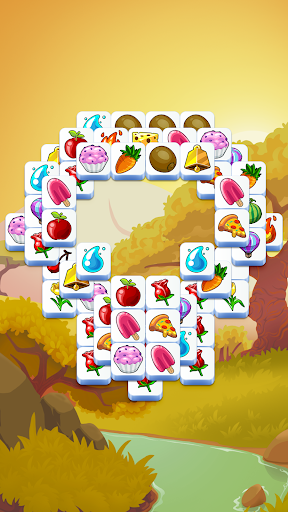


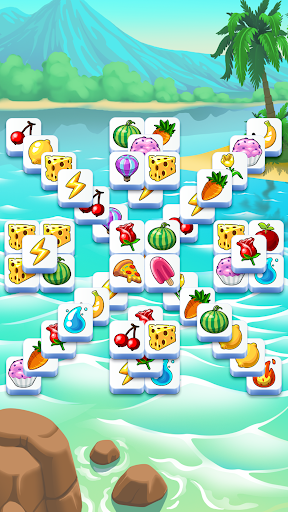


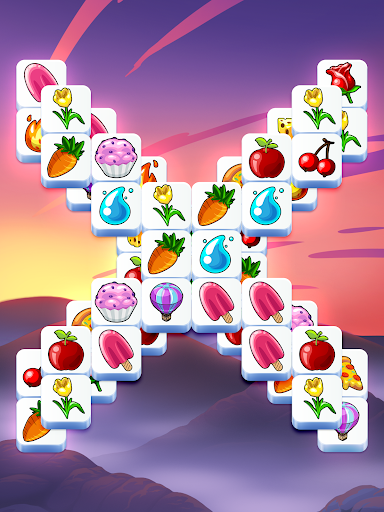
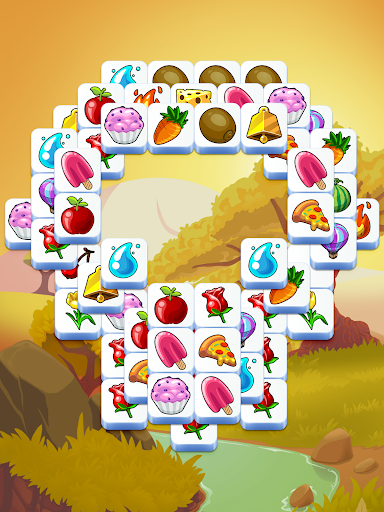

App icon and screenshots © GamoVation or the applicable rights holders. Displayed in limited form for identification and independent review. Source: official Google Play listing.
Tile Club is strongest as a calm tile-matching routine: easy to start, visually readable, and better for steady pattern practice than for story or competitive play.
Readers who want a low-pressure matching game with short sessions, clear boards, and enough public feedback to make the trial feel grounded.
Players looking for a puzzle with original mechanics, a narrative campaign, or a fully offline guarantee before they install.
It gives the Puzzle shelf a widely used tile-matching reference point, which helps readers compare smaller match games against a proven mainstream option.
Check recent Google Play reviews for ad pacing, booster pressure, and whether later levels still feel fair without purchases.
Tile Club is not interesting because tile matching is rare. It is interesting because the category is overloaded with apps that look interchangeable from a search result. GamoVation gives readers enough public context and screenshots to judge the board presentation before opening Google Play. That makes it useful as a comparison anchor. If a reader is browsing the Puzzle category and wants to know what a polished mainstream tile matcher looks like, this is one of the clearer examples.
The game appears built around recognition rather than discovery. You scan a board, identify matching tile faces, clear space, and repeat. That can still have value when the board is readable and the rhythm stays calm. The reader who benefits most is not chasing a new ruleset; they want something that can be played in short sessions without a manual. This matters for AdSense-quality review because the recommendation has to explain the job the app performs, not simply repeat that it is fun or popular.
Tile-matching apps often lose trust in the same places: ad timing, booster pressure, and late-level pacing. Older store summaries do not answer those questions by themselves because monetization can change faster than the store headline. This is why the page should push readers to inspect recent reviews before installing. If the newest players say the board remains fair and interruptions stay between sessions, Tile Club is a safe casual pick. If they describe constant recovery prompts, the calm puzzle promise becomes weaker.
Use Tile Club as the broad-audience baseline, then compare by mood. Sudoku asks for deduction, Water Sort asks for visible-state planning, and Art Puzzle asks for visual assembly. Tile Club asks for quick recognition and comfort. That is a legitimate use case, but it should not be oversold as deep logic. The cleanest recommendation is conditional: try it when you want polished repetition and easy entry; skip it when you want original mechanics, story progression, or a puzzle that teaches a new way to think.
Before leaving for Google Play, a reader should answer three questions. Do the tile faces look easy to distinguish on their own phone size? Do recent reviewers describe ads as tolerable rather than constant? Does the app appear to let ordinary players progress without turning every mistake into a booster moment? If those answers are yes, Tile Club is a sensible casual pick. If any answer is uncertain, there are enough tile and sorting alternatives that no reader needs to force this one.
Tile Club - Match Puzzle Game exposes Google Play screenshots in the public listing data. The review uses those images to judge readability, interface density, and whether the advertised experience is clear before a reader leaves for the store.
The public record used here is last updated 2026-01-07, with version 3.3.2. This context frames the review, but it does not replace the page's install cautions or comparison notes.
Tile Club - Match Puzzle Game is compared against nearby LogicAppGuide picks in Puzzle, so the recommendation answers a reader-fit question instead of repeating a store ranking.
For Puzzle readers, the review focuses on whether the app's main loop is distinct, readable on a phone, and still worth checking after ads, hints, or purchases are considered.
Tile Club earns a place here because it represents the polished mainstream end of mobile tile matching. The screenshots and store context point to a game built around quick recognition rather than deep rule discovery, so the main reader question is whether that familiar rhythm feels relaxing or repetitive.
The public feedback is encouraging for a casual puzzle app, but that should not be read as a guarantee that every session is frictionless. In this genre, the difference between a good time and a chore often comes from ads, boosters, and late-level pacing, so the newest reviews matter more than the store headline.
Use this page as a comparison anchor: if you like clean tile boards and fast resets, start here; if you want a puzzle that teaches a new system or rewards careful long-form planning, compare it with Sudoku, water-sort, or story-puzzle picks before leaving for Google Play.
Review basis: Google Play listing metadata, screenshots, public rating signals, store feature claims, and LogicAppGuide category comparison.
Tile Club is the kind of puzzle app that looks simple from the outside and still deserves a careful review because of how crowded its category is. The Google Play listing describes it as a tile-matching game with more than 10,000 levels, offline play, and a short-session brain-training angle. Those claims put it directly in the mainstream casual puzzle lane: not a specialist logic game, not a story-driven puzzler, and not a competitive strategy title, but a polished matching routine built for people who want a repeatable break.
The most important thing to understand is that Tile Club is not trying to invent a new puzzle language. Its appeal is recognition, rhythm, and comfort. You look at a board, identify matching tiles, clear space, and keep the flow moving. That may sound ordinary, but ordinary can be valuable when the interface is readable and the session length is friendly. A good tile matcher should reduce friction: the icons need to be distinguishable, the board should not feel cramped, and the player should understand quickly why a move helped or blocked progress. Tile Club's large install footprint and strong rating signal suggest that many players find that loop comfortable enough to keep returning.
The stronger use case is daily decompression. This is a game for a person who wants ten minutes of pattern recognition after work, during a commute, or while waiting somewhere. It asks for attention, but not the kind of sustained deduction that Sudoku asks for. Compared with Water Sort Puzzle, it is more about quick visual matching than planning several moves ahead. Compared with Art Puzzle, it is less atmospheric and more mechanical. Compared with a classic Sudoku app, it is easier to sample without warming up mentally. That positioning matters because many app pages overstate "brain training" when the real benefit is simply a pleasant, structured pause.
There are also clear reasons to be cautious. Tile-matching games commonly lose quality when later boards become dependent on boosters, extra moves, or ad-supported recovery. The app offers in-app purchases ranging from small items to high-priced bundles, so a reader should not treat the free label as the whole story. The fair question is not whether the game can be downloaded for free; it is whether ordinary play still feels fair without paying. Recent Google Play comments are especially important for this genre because monetization balance can change faster than a lifetime rating average.
The offline tag is useful, but it should be interpreted carefully. Offline puzzle access can make Tile Club better for travel or low-signal moments, but readers should still verify whether ads, events, cloud progress, or reward systems behave differently without a connection. A puzzle app that is technically playable offline may still reserve some conveniences for connected sessions. That does not make it bad; it simply means the reader should know what kind of offline experience they are getting before relying on it.
Tile Club is best for players who enjoy polished repetition. It is a good candidate for older casual players, people who like mahjong-solitaire-style matching, and anyone who wants a puzzle where the goal is visible at a glance. It is weaker for players who want original mechanics, a serious difficulty curve, deep strategic planning, or a game that explains every decision with strict logic. If you get bored when boards follow the same basic structure, the huge level count may feel like quantity rather than depth.
The recommendation also depends on screen size. Tile games live or die by visual comfort. On a smaller phone, icons that look clear in store screenshots can become tiring if tiles are too similar or if the board is dense. Before installing, a reader should zoom in on the screenshots and ask whether the tile art feels readable, whether the background creates distraction, and whether the controls appear reachable with one hand. These details matter more than the marketing promise of thousands of levels.
Within LogicAppGuide, Tile Club works well as a baseline casual puzzle pick. It shows what a high-polish, high-scale tile matcher offers: easy entry, broad appeal, offline-friendly sessions, and a simple loop that most players understand immediately. The tradeoff is that it is unlikely to satisfy someone searching for a genuinely novel puzzle system. The safest verdict is conditional: try Tile Club if you want calm visual matching with a mainstream feel; skip it if you are looking for harder reasoning, story progression, or a puzzle where every move teaches a new strategic lesson.
The one-minute pre-install check is straightforward. Look at recent reviews for ad pacing and booster pressure. Inspect screenshots for tile readability. Confirm that the free experience sounds fair beyond the first levels. If those checks pass, Tile Club is a sensible casual puzzle choice and a useful comparison point for the rest of the puzzle shelf.
Tile Club is strongest when judged as a comfort game, not as a deep puzzle system. The extra review value comes from noticing board readability: tile faces need to be distinct, stacks need to be understandable, and the player should not need to zoom mentally through clutter just to identify a safe match. A polished tile matcher can still fail if later boards hide information behind decoration or make every difficult choice point toward a booster.
For readers, the install test is practical. Look at the screenshots on the same size phone you use every day, then scan recent reviews for ad timing and late-level fairness. If comments describe calm sessions and manageable recovery tools, Tile Club fits a casual matching habit. If comments describe forced boosters or frequent interruptions, the app becomes less useful than its polished first impression suggests.