Source check
Ratings, screenshots, version and install tier are treated as public store signals, not as a LogicAppGuide endorsement.
Curated brain-training & logic apps for Android
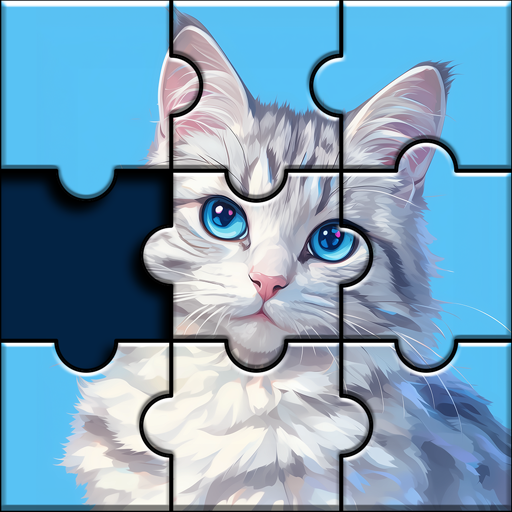




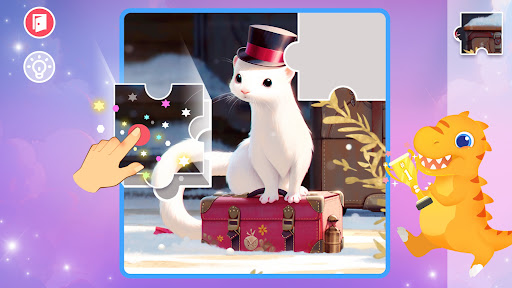
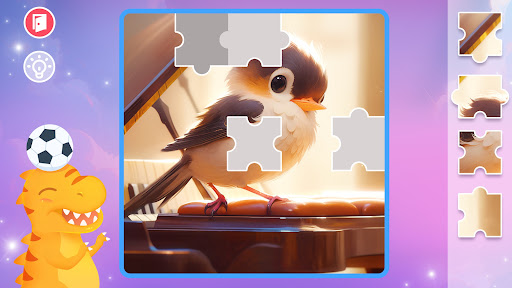


Animal Puzzle Games for kids is covered in the LogicAppGuide Android app library as a Puzzle app. Use this page to compare fit, screenshots and public signals, while the official Google Play listing remains the source for installation decisions.
For the Puzzle category, LogicAppGuide looks for a clear use case: what problem the app solves, how quickly a reader can judge fit, and whether its screenshots and public signals make sense beside nearby picks.
Its 4.6 star average is a strong public signal, but the most useful check is whether recent reviewers still mention stable performance, fair pacing and acceptable ad load.
The visible update date is 2026-01-26. Treat that as a maintenance clue, then confirm on Google Play because version notes, compatibility and permissions can change after this page is generated.
Before opening the official listing for Animal Puzzle Games for kids, compare the screenshots with your actual use case and check whether the developer, pricing model and permission requests match what you expect from this type of app.
Ratings, screenshots, version and install tier are treated as public store signals, not as a LogicAppGuide endorsement.
Use the official listing to confirm permissions, current pricing, compatibility and the newest user reviews.
Review basis: Google Play listing metadata, screenshots, public rating signals, store feature claims, and LogicAppGuide category comparison.
Animal Puzzle Games for kids by Yateland Games for kids is a preschool puzzle app built around animal-themed jigsaws and simple interactive discovery. The listing says it is designed for children aged 2 to 5, with 502 puzzles, 12 animal kingdoms, three difficulty settings, offline play, and no advertising interruptions. That gives the Android app a clearer purpose than a generic puzzle app. It is not trying to challenge adult logic-puzzle fans; it is trying to give very young children a safe, colorful way to drag pieces, recognize animals, complete simple scenes, and learn through play.
The central activity is puzzle assembly. For toddlers and preschoolers, that is more than entertainment. Moving puzzle pieces into place can support hand-eye coordination, visual matching, patience, and fine motor practice. A two-year-old may focus mostly on dragging large shapes and enjoying the animation after success. A five-year-old may begin to notice animal details, scene context, and the difference between easier and harder boards. The app's three difficulty settings are important because the difference between a two-year-old and a five-year-old is enormous. A good children's puzzle app should let parents adjust complexity without making the child feel punished.
The animal theme is a strong fit for the age range. The listing mentions a little dinosaur guide and 12 animal kingdoms, with animals such as a pony and a dragon. That mix of real and imaginative creatures can make the app feel magical while still introducing children to nature-related ideas. The description says children can learn about animals, habitats, behaviors, and traits. That should be understood as gentle exposure rather than formal science instruction. The value is in repeated recognition: seeing animals, hearing or noticing their context, and connecting them with different environments.
The 502-puzzle count is meaningful for a children's app. Young children often enjoy repeating favorite scenes, but parents still need enough variety to keep the app from becoming stale. A large set of puzzles gives the child many images to explore and gives parents more flexibility. The 12 kingdoms also help organize the content into themes, which can make the app feel like an adventure rather than a random gallery. The best version of this structure would use clear progression while still allowing a child to revisit familiar puzzles.
Interactivity is another important element. The listing describes animations and surprises that keep the gameplay engaging. For preschool users, feedback matters. A completed puzzle should feel rewarding immediately, with cheerful movement or sound that confirms success. At the same time, a children's app should avoid overstimulation. Animations should support attention, not distract from the puzzle itself. If the surprises are brief and tied to completion, they can make each board feel special. If they become too busy, they may make it harder for younger children to focus.
The parent-facing features are some of the strongest points in the listing. Offline play means the app can work during travel, in waiting rooms, or in places without reliable internet. The claim of no advertisements is especially important for a preschool app. Ads in children's apps can interrupt learning, confuse young users, or lead them outside the intended experience. If Animal Puzzle truly keeps gameplay free from ads, that is a major trust signal. Parents should still check the current live behavior and device permissions, but the listing's wording is reassuring.
The app does include in-app purchases, with a listed range from $0.99 to $11.99 per item. That is relatively modest compared with many casual games, but it still matters because the target audience is very young. Purchases may unlock puzzle packs or additional content. Parents should set device-level purchase controls before handing the app to a child. The Everyone content rating covers theme suitability, not spending protection. A good children's app can have paid unlocks, but they should be clearly separated from the child's play flow.
The public store signals are positive. A 4.64 rating with more than 3,400 ratings and 500,000+ installs suggests the app has been used by a meaningful family audience. The January 26, 2026 update date is also a good sign because children's apps need maintenance for device compatibility, privacy expectations, and content stability. The 32 screenshots listed in the metadata should help parents inspect the art style, interface, and puzzle size before installing. For this age range, screenshots are especially useful because parents can judge whether controls look simple enough.
Compared with ordinary jigsaw puzzle apps, Animal Puzzle is much more age-targeted. It is likely simpler, brighter, and more guided than a general puzzle app. Compared with educational apps that teach letters or math, it is more visual and exploratory. Compared with animal encyclopedias, it is less informational but more interactive. Its best audience is parents looking for a calm puzzle activity for toddlers or preschoolers, especially one that works offline and does not rely on ads. It is less suitable for older children who want harder logic challenges or for adults who want deep jigsaw customization.
The main risk is that educational claims can be interpreted too broadly. Animal Puzzle may support recognition, coordination, and curiosity, but it should not replace real-world learning, reading time, outdoor exploration, or parent-child conversation. The app is best used as a guided digital activity, especially if parents talk with children about the animals they see. Another risk is repetition for older preschoolers. Even with 502 puzzles, some children may eventually want more varied mechanics than dragging pieces into place.
Overall, Animal Puzzle Games for kids looks like a thoughtful preschool puzzle Android app with a strong family focus. Its strengths are age-appropriate design, a large animal puzzle library, difficulty options, offline play, no-ad positioning, cheerful interactivity, and a solid rating base. Its cautions are in-app purchases, the need for parent supervision, and the natural limits of screen-based educational play. If you want a gentle animal puzzle app for ages 2 to 5, this is a credible option. If you need a broader curriculum or a challenge for older children, it should be treated as one useful activity rather than the whole learning plan.