Source check
Ratings, screenshots, version and install tier are treated as public store signals, not as a LogicAppGuide endorsement.
Curated brain-training & logic apps for Android


Tile Story: Match Puzzle Game is covered in the LogicAppGuide Android app library as a Puzzle app. Use this page to compare fit, screenshots and public signals, while the official Google Play listing remains the source for installation decisions.
For the Puzzle category, LogicAppGuide looks for a clear use case: what problem the app solves, how quickly a reader can judge fit, and whether its screenshots and public signals make sense beside nearby picks.
Its 4.9 star average is a strong public signal, but the most useful check is whether recent reviewers still mention stable performance, fair pacing and acceptable ad load.
The visible update date is 2026-02-10. Treat that as a maintenance clue, then confirm on Google Play because version notes, compatibility and permissions can change after this page is generated.
Before opening the official listing for Tile Story: Match Puzzle Game, compare the screenshots with your actual use case and check whether the developer, pricing model and permission requests match what you expect from this type of app.
Ratings, screenshots, version and install tier are treated as public store signals, not as a LogicAppGuide endorsement.
Use the official listing to confirm permissions, current pricing, compatibility and the newest user reviews.
Review basis: Google Play listing metadata, screenshots, public rating signals, store feature claims, and LogicAppGuide category comparison.
Tile Story: Match Puzzle Game by LinkDesks Classic Puzzle Games is a tile-matching Android app that combines Mahjong-inspired triple matching with a story and rescue-game wrapper. The basic rule is simple: you select tiles from a board, match three identical tiles, clear the board, and avoid filling the tray. The listing frames the experience around helping people, spreading kindness, and following dramatic storylines, which gives the game a more emotional structure than a plain tile match app. It is still fundamentally a match-three-tile puzzle, but the story layer gives players a reason to move from one level to the next.
The public data is very strong. Tile Story shows 10,000,000+ installs, a 4.860 rating, 122,754 ratings, and 877 reviews in the available metadata. It was updated on February 10, 2026, with version 3.2.1.4055 listed. A rating that high across a large rating base is a major positive signal. It suggests the app has broad appeal and likely offers a polished casual puzzle flow. The relatively smaller visible review count compared with total ratings is worth noting, but the install and rating scale still make this a serious entry in the tile puzzle category.
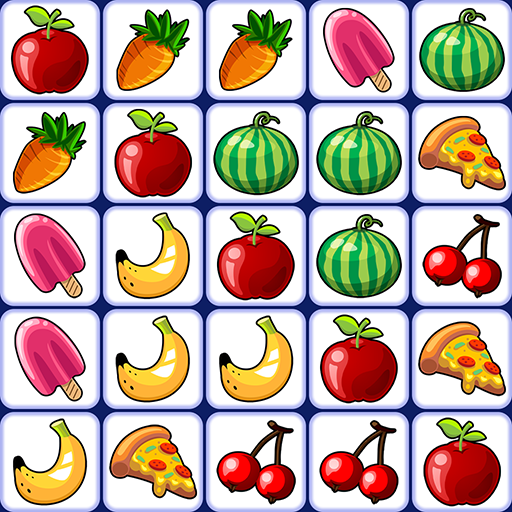
The gameplay is based on a now-familiar mobile tile format. A board contains many stacked or arranged tiles. The player taps available tiles into a tray. When three identical tiles enter the tray, they match and disappear. If the tray fills before matches are made, the run fails. This creates a distinct kind of pressure even without a timer. The player must think about which tiles are safe to collect, which matches can be completed soon, and which picks will clog the tray with unmatched pieces. A good tile match level is not only about spotting identical icons; it is about sequencing.
Tile Story’s no-timer design is important. The listing says players can play at their own pace with no pressure. In a tray-based tile puzzle, the tray itself already creates enough tension. Adding a timer would make the game more frantic and less relaxing. Without a timer, the player can scan the board, remember hidden or covered tiles, and plan around tray capacity. This makes the app more suitable for casual breaks, evening relaxation, and players who prefer observation-based puzzles over speed challenges.
The content promise is large: over 10,000 unique tile levels, plus regular updates. That gives Tile Story the scale expected from a major casual puzzle game. Large level counts matter because tile match games can be consumed quickly. The challenge is keeping boards varied. The listing mentions fruits, animals, candies, Mahjong tiles, and more, which suggests visual variety across tile sets. Visual variety helps, but level design matters more. The best levels reveal matching options in satisfying waves and force tray-management decisions without feeling unfair.
The story and rescue gameplay are the app’s main differentiators. Many tile match games are abstract collections of boards. Tile Story instead uses the idea of helping people and following dramatic scenes. This can make progression more motivating, especially for players who like renovation, rescue, or kindness-themed casual games. A successful story wrapper gives emotional payoff after puzzle levels. The risk is that the story could feel disconnected if it is only used as decoration between nearly identical levels. Based on the listing, the developer clearly wants the story to be part of the reason players return.
Offline play is another strong feature. Tile Story says it works with no Wi-Fi, which fits the category well. Tile puzzles do not need live multiplayer or constant network access for the core experience. Offline support makes the app practical for travel or short breaks. Some updates, purchases, and possibly story content synchronization may still need connection, but the listing’s offline claim is valuable for the main puzzle loop.
Monetization is the biggest caution. The app offers in-app purchases from $0.99 to $189.99 per item. That is a very high upper range for a casual tile puzzle. Games in this category often sell coins, undo tools, tray clears, hints, shuffle items, lives, bundles, or event passes. Because tray capacity is the failure condition, power-ups can directly affect difficulty. If Tile Story keeps levels fair and lets careful players progress, purchases remain optional convenience. If later levels repeatedly push tray rescue tools, the experience may feel more commercial. Players should pay attention to how frequently the game nudges spending after failed levels.
The presentation appears broad, with 24 screenshots in the metadata. For a tile game, screenshots should show both the puzzle boards and the story/rescue scenes. The Everyone content rating fits the friendly, helping-focused theme. The tile icons need to be visually distinct because confusion between similar fruit, candy, animal, or Mahjong-style tiles can cause unfair tray mistakes. A polished app in this category should prioritize icon clarity over excessive decoration.
Tile Story is best suited to players who enjoy triple tile matching but want more context than a bare board. It may appeal to fans of Mahjong-style tile games, Match 3D tray puzzles, rescue stories, and relaxing offline puzzle apps. It is less suited to players who dislike free-to-play power-up economies or who want a pure traditional Mahjong solitaire experience.
Overall, Tile Story: Match Puzzle Game looks like a high-quality and highly popular tile matching Android app with a strong rating, huge install base, no-timer play, offline support, large level count, and a story-driven rescue wrapper. Its main concern is the very high IAP ceiling and the possibility that later difficulty depends on paid tools. If you like tray-based tile puzzles and enjoy light emotional progression, Tile Story is a strong option. If you want a purchase-free logic puzzle, inspect the monetization carefully.