Source check
Ratings, screenshots, version and install tier are treated as public store signals, not as a LogicAppGuide endorsement.
Curated brain-training & logic apps for Android


Tile Sliding Match is covered in the LogicAppGuide Android app library as a Puzzle app. Use this page to compare fit, screenshots and public signals, while the official Google Play listing remains the source for installation decisions.
For the Puzzle category, LogicAppGuide looks for a clear use case: what problem the app solves, how quickly a reader can judge fit, and whether its screenshots and public signals make sense beside nearby picks.
Its 4.7 star average is a strong public signal, but the most useful check is whether recent reviewers still mention stable performance, fair pacing and acceptable ad load.
The visible update date is 2026-01-22. Treat that as a maintenance clue, then confirm on Google Play because version notes, compatibility and permissions can change after this page is generated.
Before opening the official listing for Tile Sliding Match, compare the screenshots with your actual use case and check whether the developer, pricing model and permission requests match what you expect from this type of app.
Ratings, screenshots, version and install tier are treated as public store signals, not as a LogicAppGuide endorsement.
Use the official listing to confirm permissions, current pricing, compatibility and the newest user reviews.
Review basis: Google Play listing metadata, screenshots, public rating signals, store feature claims, and LogicAppGuide category comparison.
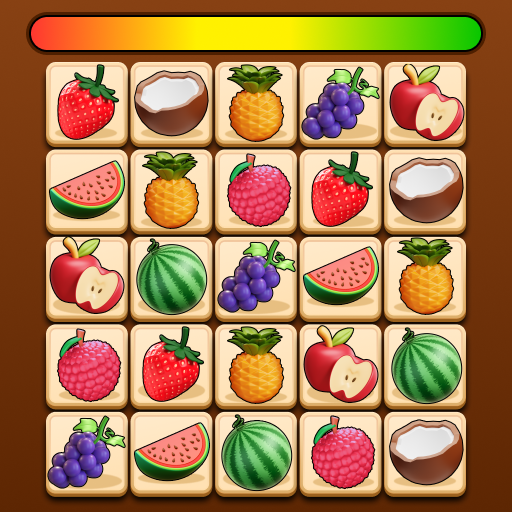
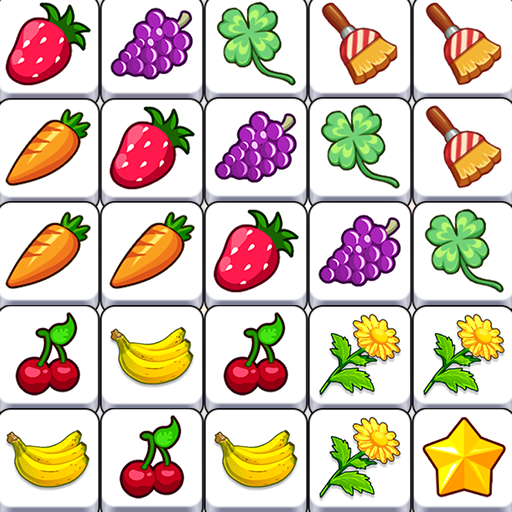
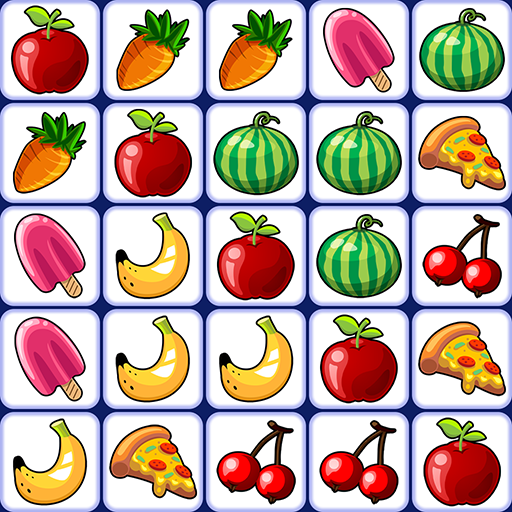
Tile Sliding Match is a sliding tile-matching puzzle game from Otaku Dreams. The basic concept is simple: slide colorful blocks, match identical patterns, clear the board, and unlock HD pictures as rewards. The listing presents the gameplay as soothing, strategic, and suitable for relaxed sessions, with hundreds of puzzles, hints, no time limits, offline and online play, and a personal gallery for collected artwork. However, the most important metadata detail is the content rating: Adults only 18+. That rating changes how the app should be evaluated.
The listing contains a clear tension. Its description says the game has gradually increasing difficulty “perfect for all ages,” but the store metadata marks the content rating as Adults only 18+. The rating should carry more weight than the promotional phrase. Users should not treat this as a family-friendly puzzle app without checking the actual content. The reward structure centers on unlocking HD pictures and building a gallery, and while the metadata here does not describe the image content in detail, the 18+ rating means parents and younger users should avoid it. For an editorial review, this conflict is too important to gloss over.
The public data is positive but not huge. Tile Sliding Match lists 100,000+ installs, 8,932 ratings, 168 written reviews, and a 4.680851 score. That is a strong rating for a mid-sized puzzle app. The written-review count is modest, but the rating count gives the score some credibility. The app was updated on January 22, 2026 at version 1.1.6, which suggests active maintenance. This is not a forgotten old listing; it appears to be a recently supported product with a clear audience.
The gameplay itself sounds like a calm matching puzzle. Sliding mechanics can be more engaging than simple tapping because the player has to think about movement paths and board consequences. Matching identical patterns likely requires both visual recognition and positioning. A good sliding match puzzle creates satisfying small decisions: move a tile now to open a match, delay a clear to set up a larger board change, or use a hint only when the layout becomes too tangled. The listing’s “simple sliding mechanics with strategic depth” claim is believable for this format if levels are designed well.
The no-time-limit casual mode is a good fit. Sliding puzzles work best when players can inspect the board and plan. A timer would push the game toward stress and accidental moves. The listing’s relaxed tone makes sense if the player can solve at their own pace. Hints are also useful because sliding boards can reach states where the next move is not obvious. The quality of the hint system matters: a helpful hint should nudge the player toward a match without turning every hard level into a pay-or-watch prompt.
The HD picture reward system is the app’s main progression hook. Instead of clearing levels only for a score, players unlock artwork and build a personal gallery. This can be motivating if the images are attractive and varied. It also makes the app feel closer to a puzzle-and-gallery hybrid than a pure tile game. The downside is that the reward content may matter as much as the puzzle design. Players who do not care about collecting images may find the progression less meaningful. Players who are interested in the gallery should pay especially close attention to the 18+ rating and screenshot previews.
The app has 30 screenshots, which is a strong transparency signal. For a game with adult content rating and image rewards, screenshots are important. They help users judge the visual style, puzzle layout, and gallery tone before installing. Still, screenshots may not show every type of unlockable content, so the content rating remains the safer guide. Adults who are comfortable with the rating can use screenshots to decide whether the art and puzzle presentation appeal to them.
Monetization is a major caution. Tile Sliding Match is free but includes in-app purchases from $0.99 to $249.99 per item. That upper tier is extremely high for a puzzle game. Purchases may relate to hints, image packs, premium gallery content, ad removal, currency, or other unlocks; the listing excerpt does not specify. Because the app uses HD picture rewards and a gallery, paid content could be central to the appeal. Players should check exactly what is locked behind purchases before spending time or money. The combination of Adults only 18+ and a $249.99 purchase ceiling means purchase controls and careful review are essential.
Offline and online play are both listed. Offline support is useful for the puzzle side, making it possible to play without constant connectivity. Online play may be needed for purchases, gallery unlocks, events, ads, or cloud-related features. The listing does not explain the split, so players should verify whether the content they care about works offline.
The “train your brain” language should be read in a casual sense. Sliding and matching can practice visual attention, sequencing, and spatial planning. It is not a formal brain training program. The app’s real appeal is likely the blend of calm puzzle solving and image collection, not cognitive improvement.
Overall, Tile Sliding Match looks like a polished sliding match puzzle with strong ratings, recent updates, many screenshots, no-timer play, hints, and a gallery reward loop. Its biggest caveats are equally clear: Adults only 18+ content rating, a contradiction with “all ages” marketing, and an unusually high $249.99 IAP ceiling. For adult players who want a relaxed tile-matching gallery game and are comfortable with the content rating, it may be worth trying. For families, children, or users who avoid high-priced purchase economies, it should be skipped or inspected very carefully before installation.