Source check
Ratings, screenshots, version and install tier are treated as public store signals, not as a LogicAppGuide endorsement.
Curated brain-training & logic apps for Android


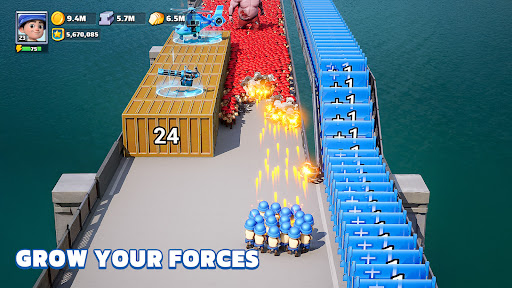
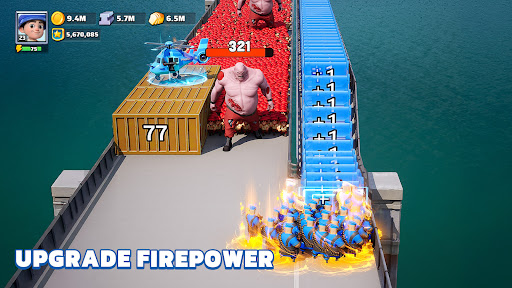
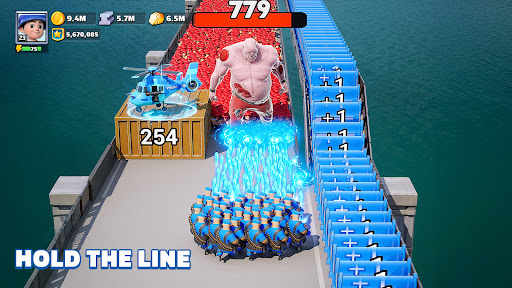
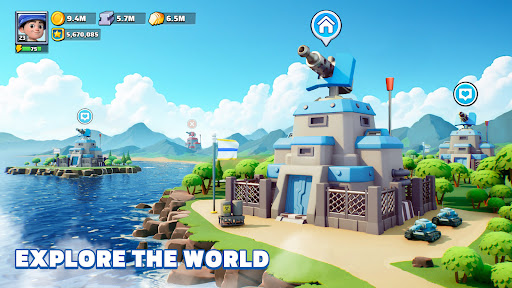
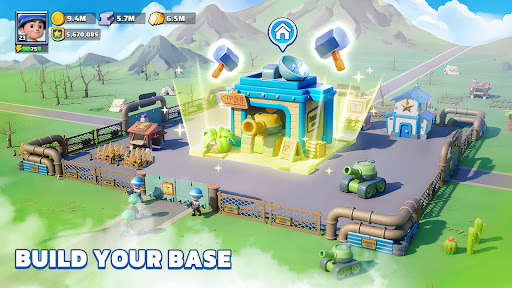

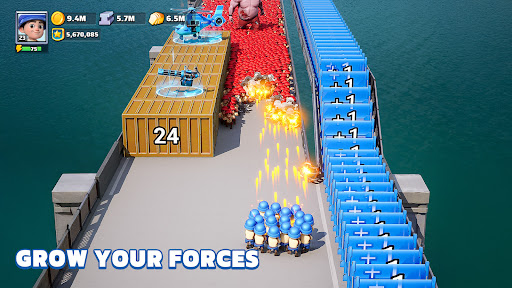


Last War:Survival Game is covered in the LogicAppGuide Android app library as a Strategy app. Use this page to compare fit, screenshots and public signals, while the official Google Play listing remains the source for installation decisions.
For the Strategy category, LogicAppGuide looks for a clear use case: what problem the app solves, how quickly a reader can judge fit, and whether its screenshots and public signals make sense beside nearby picks.
Its 4.7 star average is a strong public signal, but the most useful check is whether recent reviewers still mention stable performance, fair pacing and acceptable ad load.
The visible update date is 2026-02-10. Treat that as a maintenance clue, then confirm on Google Play because version notes, compatibility and permissions can change after this page is generated.
Before opening the official listing for Last War:Survival Game, compare the screenshots with your actual use case and check whether the developer, pricing model and permission requests match what you expect from this type of app.
Ratings, screenshots, version and install tier are treated as public store signals, not as a LogicAppGuide endorsement.
Use the official listing to confirm permissions, current pricing, compatibility and the newest user reviews.
Review basis: Google Play listing metadata and store description from public/dataJson/Strategy.json; no hands-on device test.
Last War:Survival Game is one of the biggest strategy Android apps in this set by public footprint alone. The local metadata shows 50,000,000+ installs, more than 95 million real installs, a 4.665242 score, and 1,908,972 ratings. Those are unusually strong signals for a free strategy game, especially one built around zombies, heroes, guns, base growth, and alliance play. It is not a quiet survival simulator. It is a hybrid mobile strategy game that mixes quick lane-based action with the longer grind of shelter development and team building.
The description opens with a global zombie infestation and a simple goal: keep your humanity and survive. The first listed feature, however, is not base management. It is "Think Fast, Move Faster," with the player dodging and fighting waves of zombies across lanes. That detail is important because it explains why Last War feels different from a traditional 4X or city builder. It uses immediate arcade pressure to pull players in before widening into base construction, army expansion, hero recruitment, and global cooperation. For players who get bored by slow build timers, that front-loaded action can make the game more inviting.
The lane combat pitch is about reflexes and tactical reading. Each lane has obstacles and zombies, so the player is not simply tapping menus. A good version of this system rewards quick repositioning, target priority, and upgrades that change how a run feels. It also gives the game a strong first-session hook: you can understand the danger quickly because zombies are coming at you right now. The trade-off is that players who install for pure grand strategy may find the action sections more casual than expected. Last War sells itself as strategy, but part of its appeal is action-strategy immediacy.
The shelter layer is where the long-term game begins. The listing says players customize a zombie-free shelter, expand an army, and lead survivors toward hope. In mobile strategy terms, that usually means buildings, upgrades, resource management, unit growth, and a rising power curve. This structure can be satisfying if each upgrade supports survival decisions. It becomes weaker if progress depends mostly on waiting or claiming rewards. The high rating suggests many players enjoy the loop, but new users should still watch how quickly the early generosity turns into longer timers or paid shortcuts.
Hero collection is another central pillar. Last War lets players recruit heroes from three military branches, each with unique skills, then combine them for easier victories. This is where strategy and monetization often meet. Team composition can add real depth if branches play differently, skills counter specific zombie threats, and hero synergy matters more than raw rarity. It can also become frustrating if premium heroes define the best teams. Before spending, players should learn how heroes are obtained, how duplicates or upgrades work, and whether free heroes remain useful beyond early chapters.
The alliance system expands the game beyond solo zombie defense. The listing says survival is a team effort and encourages players to partner with people around the globe, while warning that not every survivor is friendly. That language points toward competitive alliance politics, shared objectives, and possible conflict with other players. This is good for people who want social strategy, organized events, and the feeling of belonging to a server community. It is less good for players who want to pause whenever they want. Alliance games can create pressure to log in, follow schedules, and keep up with stronger groups.
The content rating deserves attention. Last War is rated Teen in the local metadata, with violence and blood noted in the content rating description. The zombies, guns, military branches, and survival framing make that rating understandable. It is more intense than an Everyone-rated tower defense or ancient kingdom builder. Parents should treat it as a zombie combat game with strategic systems, not a harmless puzzle app. The stylized presentation may soften the tone, but the theme is still apocalypse, weapons, and infected enemies.
Monetization is significant. Last War is free and the local data does not mark it as ad-supported, which is welcome for players who dislike forced ad breaks. However, it offers in-app purchases from $0.99 to $99.99 per item. A game with heroes, alliances, army growth, and global competition can make purchases feel tempting because progress affects both solo power and social status. The smartest approach is to play long enough to understand the economy before buying anything. Look for whether paid packs are mostly convenience, whether event rewards favor spenders, and whether alliance participation remains enjoyable for low-spend or free players.
Online access is also part of the practical picture. The metadata includes "Single player" as a tag, but the global alliance features clearly require a connection. Players may be able to complete some action or campaign content alone, but the full identity of Last War depends on servers, events, and other players. Anyone looking for an offline zombie strategy game should be cautious. Anyone looking for a live social strategy game will find the structure more natural.
Last War is best for players who like hybrid mobile games: a little reflex challenge, a little base building, a little hero collecting, and a lot of long-term progression. Its strengths are broad popularity, strong rating signals, a clear zombie survival fantasy, no local ad-supported flag, and a loop that starts faster than many strategy games. Its cautions are the Teen-rated violence, high IAP ceiling, possible alliance pressure, and the risk that the early lane action may not represent the full long-term experience.
Overall, Last War:Survival Game is a polished-looking mass-market strategy pick for people who want zombie survival with social progression. It should not be judged as a pure RTS or pure survival game. It is a mobile live-service strategy hybrid, and the best question is whether you enjoy all the pieces together. If you want a fast opening, team-building depth, and an active global community, it is easy to understand why the app has become so large. If you dislike spending pressure or scheduled alliance play, its popularity will not remove those concerns.