Source check
Ratings, screenshots, version and install tier are treated as public store signals, not as a LogicAppGuide endorsement.
Curated brain-training & logic apps for Android

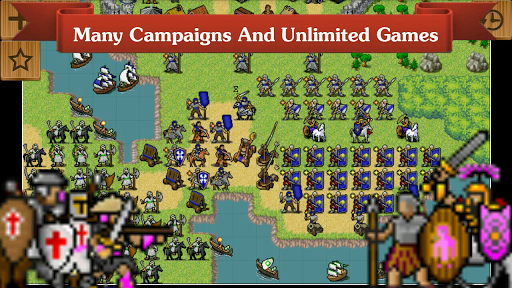
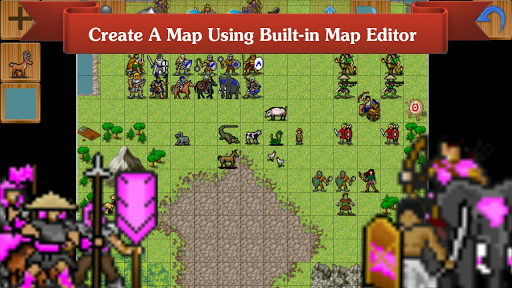
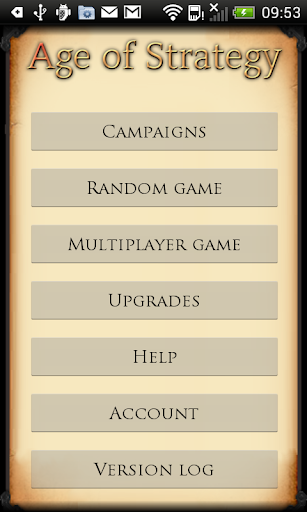
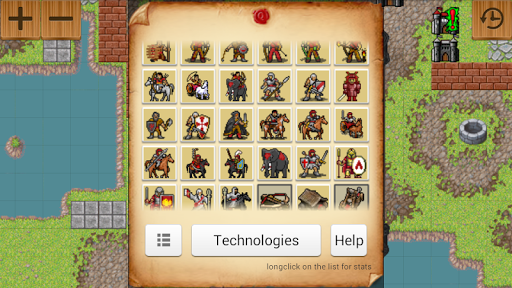
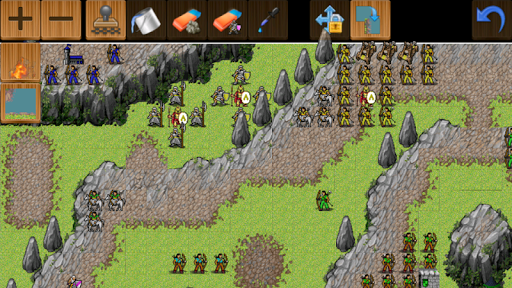
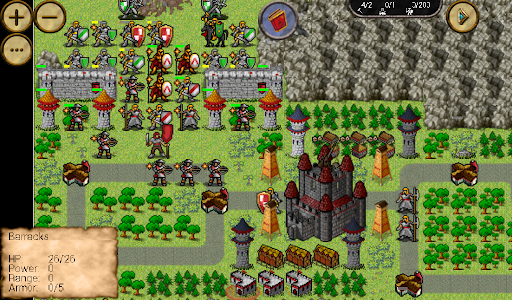
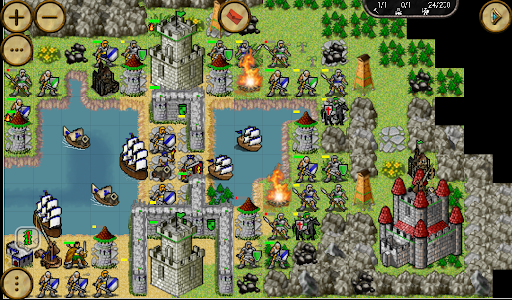
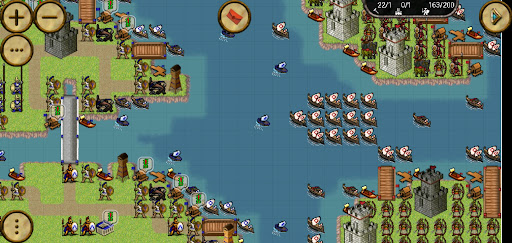
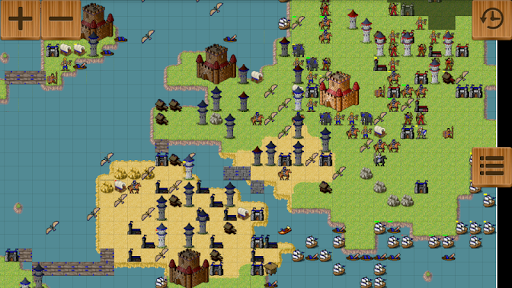
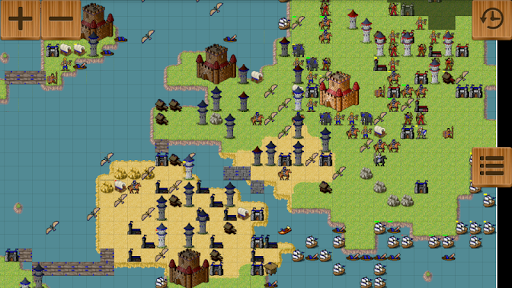
Age of Strategy is covered in the LogicAppGuide Android app library as a Strategy app. Use this page to compare fit, screenshots and public signals, while the official Google Play listing remains the source for installation decisions.
For the Strategy category, LogicAppGuide looks for a clear use case: what problem the app solves, how quickly a reader can judge fit, and whether its screenshots and public signals make sense beside nearby picks.
Its 4.6 star average is a strong public signal, but the most useful check is whether recent reviewers still mention stable performance, fair pacing and acceptable ad load.
The visible update date is 2026-02-26. Treat that as a maintenance clue, then confirm on Google Play because version notes, compatibility and permissions can change after this page is generated.
Before opening the official listing for Age of Strategy, compare the screenshots with your actual use case and check whether the developer, pricing model and permission requests match what you expect from this type of app.
Ratings, screenshots, version and install tier are treated as public store signals, not as a LogicAppGuide endorsement.
Use the official listing to confirm permissions, current pricing, compatibility and the newest user reviews.
Review basis: Google Play listing metadata, app description, public rating signals, ad/IAP declarations, and turn-based strategy category comparison.
Age of Strategy is one of the clearest examples of a mobile strategy game that chooses depth over presentation. The listing is unusually frank: it calls the game a retro-like 16-bit title, says it is "not pretty" and has no fancy animations, and then immediately positions it as pure gameplay-oriented turn-based strategy. That honesty is refreshing. The local metadata supports the idea that the niche works: 1,000,000+ installs, a 4.575668 rating from 44,247 ratings, no ads, and in-app purchases listed from $0.99 to $38.99 per item. The description also says the in-app payment option is for donations only and that the game is not pay to win.
The scale is the first thing to notice. Age of Strategy advertises more than 500 campaign maps, more than 140 skirmish maps, more than 350 units and buildings, and more than 120 technologies. That is a huge amount of tactical material for a free Android strategy Android app. The theme is broad medieval and ancient warfare rather than one tightly simulated period: the description mentions the age of empires, knights, vikings, samurais, winged hussars, Templars, historical maps such as the Battle of Troy, and many more unit types. It is less about historical purity and more about giving players a large toy box of units, counters, technologies, and scenarios.
The moment-to-moment appeal comes from turn-based planning. Unlike real-time tower defense or base-building MMOs, Age of Strategy gives you room to think. You can inspect the map, consider unit ranges, choose production, invent technologies, and decide whether to push, defend, or reposition. That rhythm is especially good on mobile because the game does not need constant reflexes. A player can take a turn, set the phone down, and return without losing the thread. The category data also lists offline and multiplayer support, which gives the app a broad use case: solo campaigns and skirmishes when you want self-contained play, real-player battles when you want competition.
The unit and technology counts matter because turn-based strategy lives or dies by meaningful differences. A large roster is only useful if units fill distinct roles. The listing's emphasis on units, buildings, technologies, spell upgrades, and unlockable upgrades suggests a design closer to classic PC strategy than a minimal puzzle tactics game. You are not simply matching colors or upgrading one hero number. You are building a broader strategic vocabulary: economy, production, military composition, tech timing, and map control. The map editor, even marked as beta, reinforces that community-driven, systems-first identity.
Age of Strategy's progression is based partly on stars and gems. Collecting stars on each map, based on performance, grants gems used to unlock new troops or buildings. There are also spell upgrades that can ease difficult maps and are bought with gems on consumption. This is a delicate design choice. On the positive side, it rewards mastery and gives campaign progress a long-term structure. On the negative side, any gem-based unlock system can make players wonder whether a hard map is asking for better tactics or more grinding. The developer's explicit "not pay to win" and "donations only" statement is reassuring, as is the no-ads metadata, but new players should still learn how unlock pacing feels after the first handful of maps.
Compared with Second World War, Age of Strategy is less cinematic and less historically focused but broader as a sandbox. Second World War emphasizes real-time control, military equipment, and missions based on World War II battles. Age of Strategy is turn-based, more modular, and more comfortable mixing eras and unit archetypes. Compared with Heroes of War Magic - TBS RPG, it is less character-driven and less RPG-like. Heroes of War Magic focuses on heroes, races, classes, and fantasy tactical battles; Age of Strategy focuses more on map count, units, technologies, and player-created scenarios. If you want personality and magic, choose the former. If you want a giant strategic rule set, Age of Strategy is the stronger fit.
The best audience is patient strategy players who can tolerate functional art in exchange for volume and mechanics. The game is especially easy to recommend to players who miss older PC strategy games, like slow tactical decisions, and are not embarrassed by pixelated graphics. It is also a good candidate for players who want free strategy without ads. The Everyone 10+ rating with Fantasy Violence fits the stylized medieval conflict, but families should still recognize that the game is built around battles and conquest.
The biggest drawback is approachability. A game with more than 350 units and 120 technologies can be intimidating, and the listing's own language suggests development is ongoing and community-influenced. That can mean rough edges, inconsistent art, and menus that prioritize function over elegance. The developer asks players to be kind with ratings because the app is in the middle of development and invites suggestions for gameplay, units, properties, graphics, translations, and ideas. That openness is charming, but it also signals that Age of Strategy may feel like a living project rather than a polished commercial package.
Download and purchase expectations should be straightforward. The app is free, ad-free in the metadata, and includes IAP that the description frames as donations. Multiplayer exists, so online play will require a connection, but the listed offline category and single-player campaigns make it viable even without constant internet. Overall, Age of Strategy is a deep, generous, visually modest turn-based strategy game. It is not for players who need animation, spectacle, or frictionless onboarding. It is for players who judge a strategy game by maps, units, technologies, and decisions, and by that standard it has an unusually strong Android footprint.