Source check
Ratings, screenshots, version and install tier are treated as public store signals, not as a LogicAppGuide endorsement.
Curated brain-training & logic apps for Android

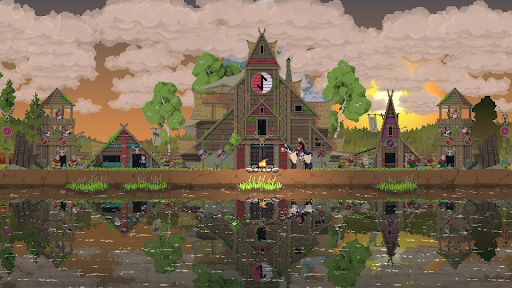
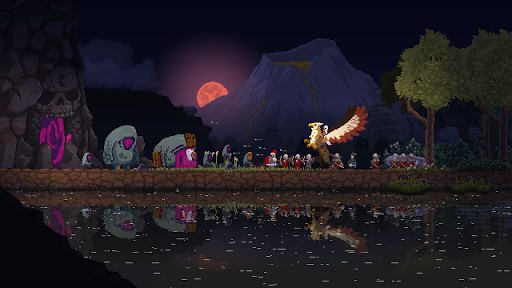
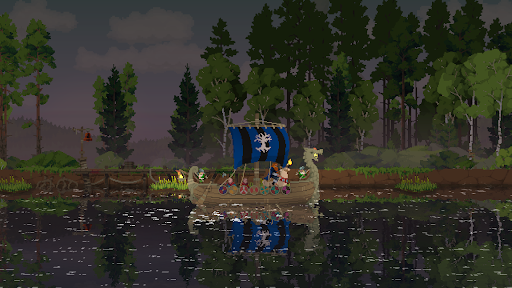
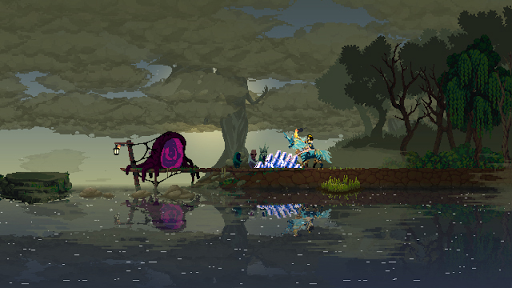
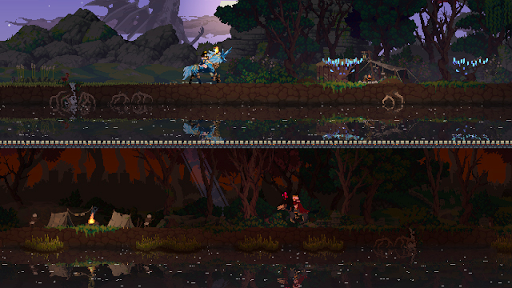
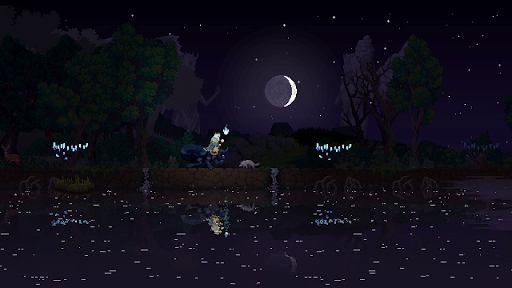
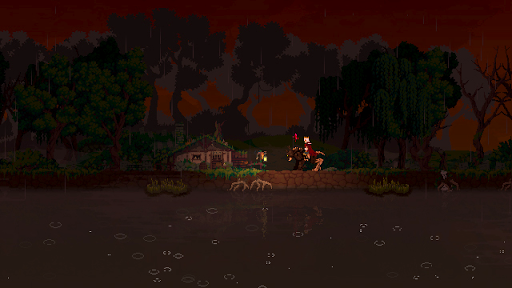
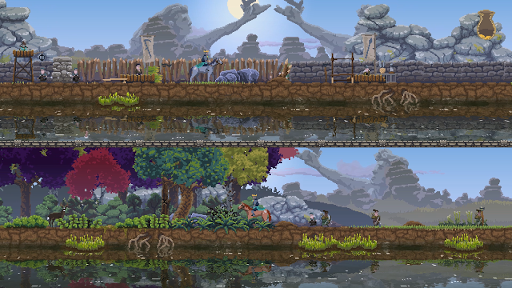
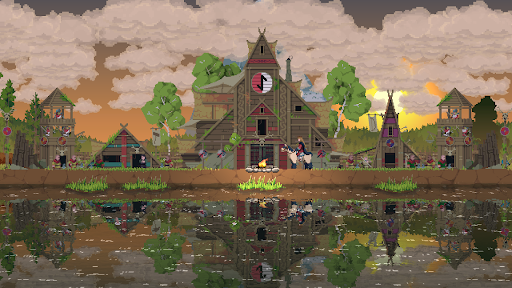

Kingdom Two Crowns is covered in the LogicAppGuide Android app library as a Strategy app. Use this page to compare fit, screenshots and public signals, while the official Google Play listing remains the source for installation decisions.
For the Strategy category, LogicAppGuide looks for a clear use case: what problem the app solves, how quickly a reader can judge fit, and whether its screenshots and public signals make sense beside nearby picks.
Its 4.2 star average suggests the basic experience works for many users, but mixed recent reviews can reveal problems hidden by an all-time score.
The visible update date is 2025-12-12. Treat that as a maintenance clue, then confirm on Google Play because version notes, compatibility and permissions can change after this page is generated.
Before opening the official listing for Kingdom Two Crowns, compare the screenshots with your actual use case and check whether the developer, pricing model and permission requests match what you expect from this type of app.
Ratings, screenshots, version and install tier are treated as public store signals, not as a LogicAppGuide endorsement.
Use the official listing to confirm permissions, current pricing, compatibility and the newest user reviews.
Review basis: Google Play listing metadata, screenshots, public rating signals, store feature claims, and LogicAppGuide category comparison.
Kingdom Two Crowns is an atmospheric side-scrolling micro-strategy game from Raw Fury, part of the award-winning Kingdom franchise. It is very different from most mobile strategy Android apps. Instead of presenting a top-down map full of timers, menus, and resource counters, it puts the player on horseback as a monarch moving left and right through a living kingdom. The core loop is deceptively simple: recruit subjects, build walls and farms, expand carefully, explore the wilds, and survive nightly attacks from the Greed. Beneath that simplicity is a tense strategy game about timing, economy, and restraint.
The "Build" layer gives the kingdom its foundation. Players recruit villagers, assign them roles, raise walls, create towers, and support farms that help generate the resources needed for expansion. The side-scrolling perspective makes the kingdom feel physical. You do not simply click a menu and watch numbers rise; you ride past defenses, workers, archers, and open land, making decisions based on what you can see. That creates a strong sense of place. Every wall moved outward and every farm established changes how safe the kingdom feels at night.
The "Explore" layer adds risk and mystery. Beyond the borders are forests, ruins, treasures, monuments, artifacts, mounts, and secrets. Exploring is tempting because it can unlock tools or knowledge that help the kingdom grow, but leaving the center too long can be dangerous. The best play often involves balancing curiosity against responsibility. If you spend too much on expansion without enough defense, the Greed can punish the kingdom after sunset. If you never explore, you may miss upgrades that make later islands manageable.
The nightly defense is where the game becomes stressful in the best way. As darkness falls, the Greed attack and try to steal coins, tools, and ultimately the crown. Players rely on archers, walls, knights, siege weapons, monarch abilities, mounts, and artifacts to survive. Because the game is not controlled like a traditional RTS, strategy is indirect. You prepare before the attack, invest in the right defenses, and position your kingdom for survival. When the wave comes, you mostly watch the consequences of earlier decisions. That makes every day-night cycle meaningful.
Conquest gives the campaign its long-term direction. The monarch eventually needs to strike against the Greed's source and secure islands. This requires preparation. Sending soldiers too early can waste resources and weaken the kingdom. Waiting too long can allow pressure to build. Kingdom Two Crowns is excellent at creating that push-pull rhythm: expand, defend, prepare, attack, recover, and move on. It is slower and more atmospheric than many mobile games, but that is exactly the point.
The content variety is substantial. The listing mentions several free content updates, including Shogun, Dead Lands, and Challenge Islands. Shogun shifts the setting toward feudal Japan-inspired architecture and units such as ninja, plus mounts like the Kirin. Dead Lands adds darker fantasy elements, unusual mounts, traps, barriers, and a stronger gothic tone. Challenge Islands are designed for experienced players with special rules and objectives. These updates matter because they extend the base formula without turning it into a different game. They give returning players new constraints and aesthetics while preserving the core build-explore-defend rhythm.
The DLC model is clear in the store description. Norse Lands and Call of Olympus are listed as additional paid expansions through in-app purchase, with the metadata showing purchases from $2.99 to $3.99 per item. That is a very different monetization profile from many mobile strategy games with $99 bundles. Here, purchases appear to be discrete content expansions rather than endless power packs. Players should still check exactly what is included, but this model is easier to understand and generally less concerning than pay-to-win economies.
The public rating profile is solid. Kingdom Two Crowns shows 100,000+ installs, more than 8,600 ratings, and a score around 4.24. That rating is positive, though not flawless, and may reflect the fact that this is a more demanding and unusual strategy game than casual players expect. The December 12, 2025 update date suggests ongoing maintenance. The Everyone 10+ rating fits the fantasy combat and nighttime monster attacks. The game is not graphically brutal, but its themes of raids, defense, and survival are more intense than a light puzzle app.
Compared with mobile 4X or base-building strategy games, Kingdom Two Crowns is more intimate and less menu-driven. Compared with tower defense games, it is less about placing many towers and more about managing a kingdom's economy and defenses over time. Compared with roguelike survival games, it has a calmer rhythm but real consequences. Its best audience is players who enjoy atmosphere, indirect control, strategic preparation, and a sense of discovery. It may frustrate players who want rapid action, detailed unit commands, or constant explanations.
The main limitation is opacity. Kingdom games often expect players to learn through observation, mistakes, and repeated attempts. That can be rewarding, but it can also confuse newcomers. The side-scrolling controls and minimalist interface may feel strange if you expect a conventional strategy UI. Another risk is pacing. Some players will love the slow ride through a pixel-art kingdom; others may find it too quiet between attacks.
Overall, Kingdom Two Crowns is a distinctive and high-quality strategy Android app with far more personality than the average mobile war game. Its strengths are atmosphere, elegant micro-strategy, meaningful day-night tension, exploration, multiple themed campaigns, and clear expansion-style IAP. Its cautions are a learning curve, slower pacing, and an unusual control style. If you want a thoughtful strategy game that feels handcrafted and atmospheric, this is a strong choice. If you want a simple tap-to-upgrade empire game, it may not match your expectations.