Source check
Ratings, screenshots, version and install tier are treated as public store signals, not as a LogicAppGuide endorsement.
Curated brain-training & logic apps for Android


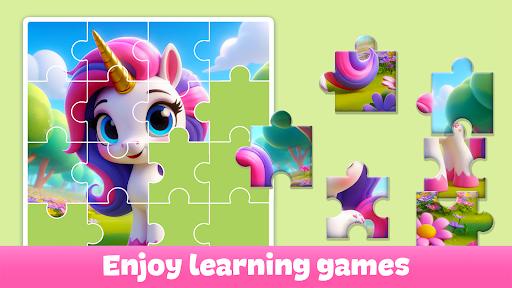


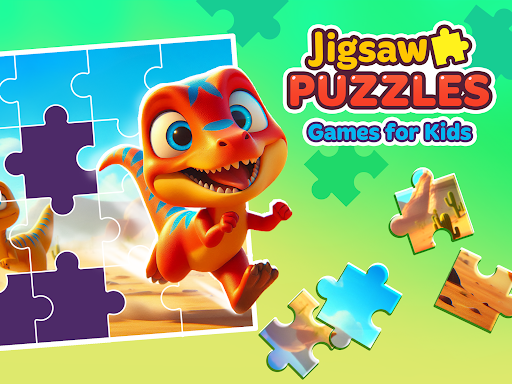


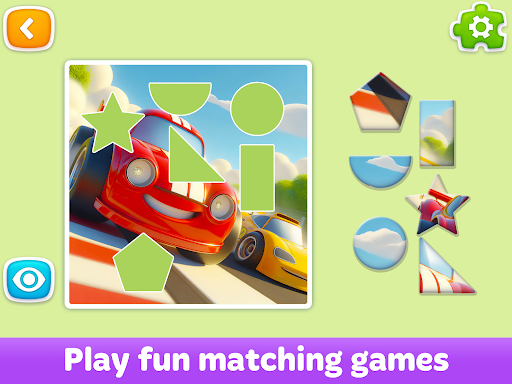

Jigsaw Puzzle Games for Kids is covered in the LogicAppGuide Android app library as a Puzzle app. Use this page to compare fit, screenshots and public signals, while the official Google Play listing remains the source for installation decisions.
For the Puzzle category, LogicAppGuide looks for a clear use case: what problem the app solves, how quickly a reader can judge fit, and whether its screenshots and public signals make sense beside nearby picks.
Its 0.0 star average deserves extra caution; read recent low-star reviews before spending time with it.
No clear update date is shown in this public data snapshot, so maintenance status should be checked directly on Google Play before relying on the app.
Before opening the official listing for Jigsaw Puzzle Games for Kids, compare the screenshots with your actual use case and check whether the developer, pricing model and permission requests match what you expect from this type of app.
Ratings, screenshots, version and install tier are treated as public store signals, not as a LogicAppGuide endorsement.
Use the official listing to confirm permissions, current pricing, compatibility and the newest user reviews.
Review basis: Google Play listing metadata, screenshots, public rating signals, store feature claims, and LogicAppGuide category comparison.
Jigsaw Puzzle Games for Kids is a toddler-friendly puzzle app from Play and Learn Games: Educational & Fun Adventures. It focuses on jigsaw puzzles, shape matching, and simple brainteaser activities for young children, especially ages 2 and up. The listing mentions images with animals, robots, cars, dinosaurs, and other familiar childhood themes, plus animations that bring completed pictures to life. This is not a competitive puzzle app or an adult logic game. It is designed as a first puzzle experience for small children and family play.
The public rating data is limited. This snapshot shows more than 10,000 installs, but no visible score, rating count, written-review count, or source update date. That means readers should be cautious. The app may be useful, but the local data does not provide a user consensus. In this case, the review has to focus on the concrete feature claims: 5 brainteaser modes, 3 levels of complexity, extra-large shape puzzles, age-appropriate jigsaws, animated rewards, simple controls, and a claimed safe ad-free environment. Parents should still verify the live store page before installing.
The strongest appeal is age fit. Many puzzle apps say they are for kids but use small pieces, fast timers, or interfaces that require too much precision. This listing specifically mentions toddlers, 2-year-olds and up, 3-year-olds, children ages 4-6, preschool games, and games for babies. It also describes extra-large shape puzzles and adjustable activities. Those details matter because young children need larger touch targets, simple instructions, and quick feedback. A toddler puzzle should not punish mistakes harshly or require reading.
The five modes and three complexity levels sound useful if implemented clearly. Variety helps because children may not enjoy one puzzle format for long. Jigsaw pieces, shape-based challenges, matching games, and logic brainteasers can practice different skills while keeping the app fresh. Difficulty levels are also important because a 2-year-old and a 6-year-old need very different challenges. A good version lets the child succeed early, then gradually adds more pieces, less obvious shapes, or slightly more complex matching.
The animated completion reward is a good design choice for young users. The listing says children put pieces together and then watch the picture come to life. That kind of feedback can be more motivating than a score screen. It gives a clear sense of success and makes the puzzle feel playful. For very young children, animation after completion can reinforce the connection between effort and result without needing coins, rankings, or long explanations.
The educational claims are reasonable but should be understood as practice, not proof of improvement. The listing says the games can support focus, concentration, problem solving, memory, critical thinking, logic, hand-eye coordination, and early learning. Puzzles can certainly give children opportunities to practice these skills, especially when a parent participates and talks through shapes, colors, and choices. But no app should be treated as a guaranteed developmental program. It is best viewed as structured play that may support learning when used in moderation.
The family-play angle is one of the better parts of the listing. It says parents and children can solve brainteasers together, share success, and spend time as a family. That is more valuable than simply handing a toddler a screen. A jigsaw app can become educational when adults ask questions like "where does this piece fit?", "what shape is missing?", or "what color matches this part?" The app's role is to provide safe, simple puzzles; the parent can add language and guidance.
The app claims a safe, ad-free environment, and the snapshot shows no listed in-app purchases. That is a strong trust signal for a children's app. Still, parents should verify it directly because child-focused apps must be judged carefully. Ad-free play, no purchases, and simple controls are exactly what many families want, but store listings can change. Before recommending it to a child, check whether ads, tracking prompts, or subscriptions appear in the current version.
The screenshot count is 15, which is helpful. Parents should look for actual puzzle screens, piece size, color contrast, navigation buttons, and whether the interface has distracting menus. For toddler apps, visual quality is not just about brightness. Screens should be calm enough for a child to understand what to do. The best screenshots would show large pieces, obvious targets, and clear completion feedback.
Compared with MentalUP, this app is narrower and more toddler-focused. It does not appear to offer progress dashboards, competitions, or IQ-test-style training. Compared with adult jigsaw apps, it should be simpler, larger, and more animated. Compared with match-3 or block puzzles, it has a stronger early-learning and family-play purpose. That makes it a better fit for very young children and a weaker fit for older puzzle fans.
My verdict is cautiously positive. Jigsaw Puzzle Games for Kids has a clear audience, age-appropriate puzzle claims, multiple modes, adjustable complexity, animated rewards, no listed purchases, and a child-friendly concept. The missing rating and update data prevent a strong recommendation without checking the live store page. If the app is truly ad-free, uses large controls, and keeps activities gentle, it could be a useful first puzzle app for toddlers and preschoolers.